
<style itemProp="gatsby-do-not-hoist-me-react">body:not(.fonts-ready) .material-symbols-outlined{visibility:visible;width:auto;overflow:visible}</style>
Skip to main content

Our department has a broad range of researchers with diverse expertise. In addition to our main research areas, our researchers are investigating:

  • Biomechanics
  • Community/living participation
  • Developmental disabilities
  • Healthcare delivery
  • Rehabilitation across the lifespan
  • ...and many more!

Check back often to see our latest research happenings!
Recent research awards and publications

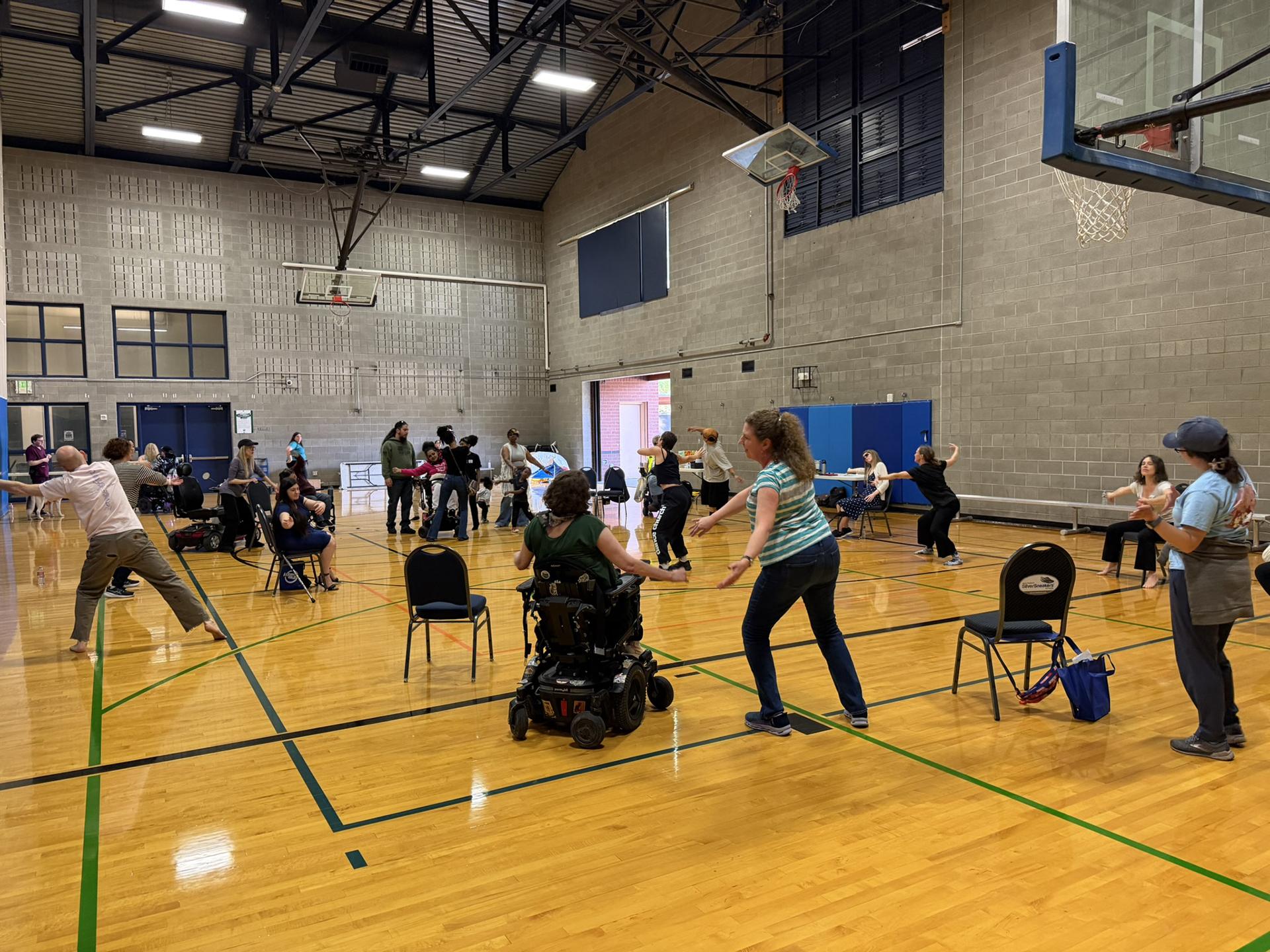
People, some in wheelchairs and some standing practice movement in a gymnasium.

Northwest Regional Spinal Cord Injury System regains model system status

A new five-year award reconnects the Northwest Regional Spinal Cord Injury System with a national network while building on decades of research, care, and education in the region.
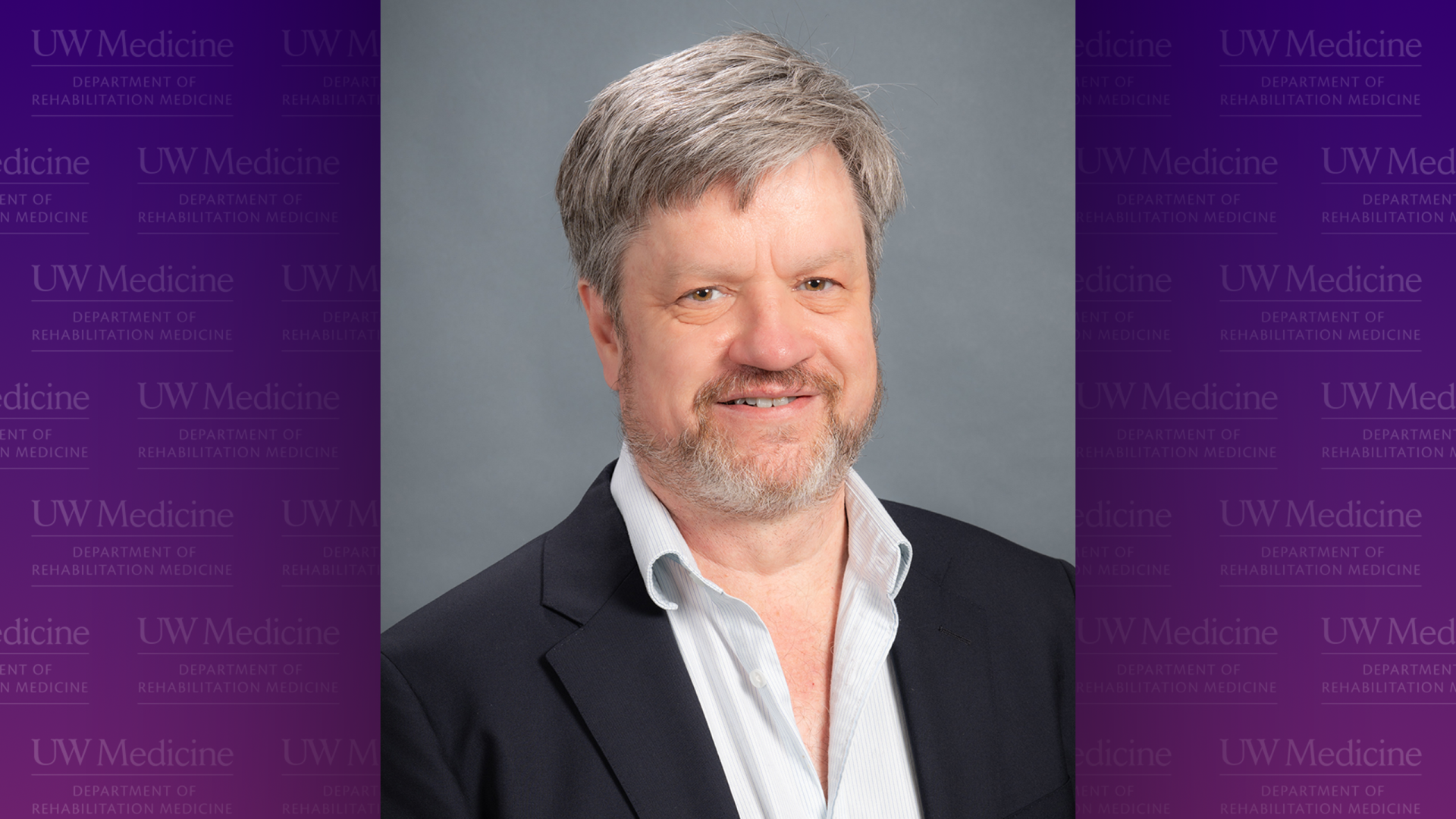
Donald Fogelberg, PhD, OTR/L

Fogelberg contributes to two Garvey Institute-funded projects

Together, the projects bring occupational therapy perspectives on meaningful activities, daily life, and participation in the community to interdisciplinary mental health research.
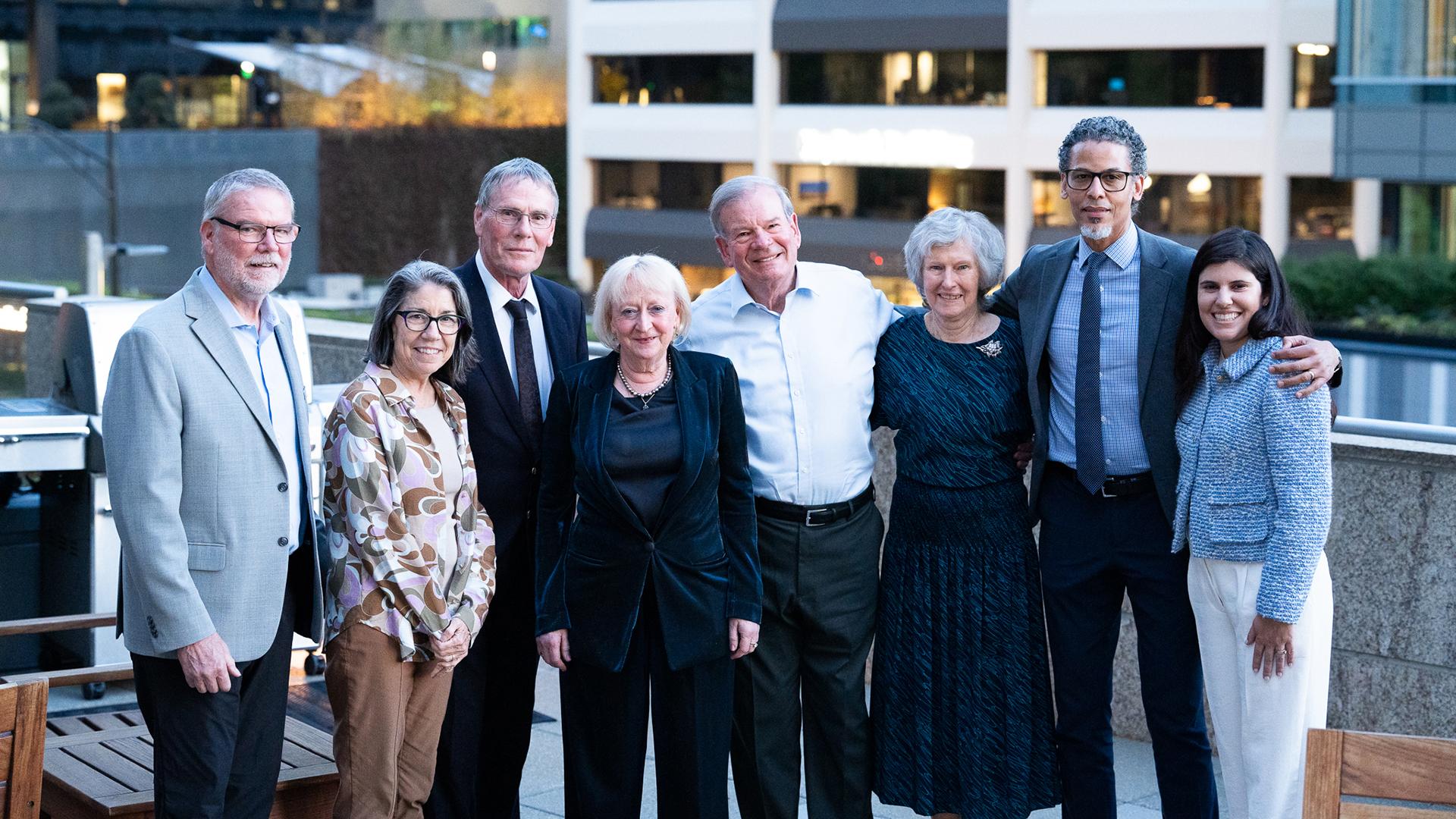
A group of people smile at the camera.

Dr. Nassim Rad's work helps inspire international partnership to advance ALS research

The partnership will focus on motor neuron disease research, clinical collaboration, and education.
An older woman sits on a couch and holds her lower back.

Rundell and Suri receive $4.64 million NIH grant to study persistent low back pain

The study will focus on people whose persistent low back pain may be related to the facet joints.
Sean Rundell, PT, DPT, PhD

Rundell contributes to new guideline for acute low back pain

The guideline includes recommendations for patients, in addition to recommendations for clinicians.
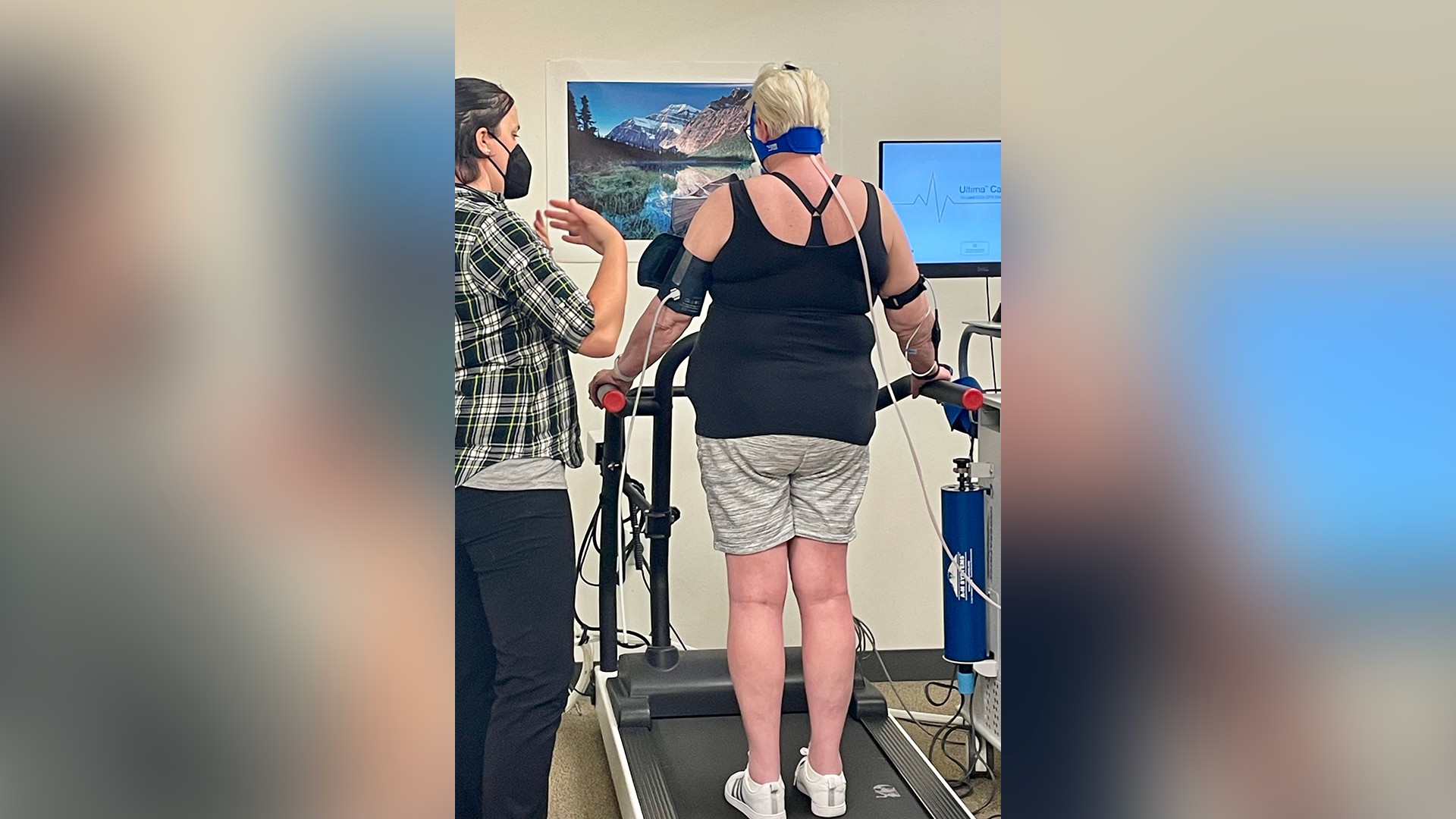
A woman assists another woman who is standing on a treadmill.

Study finds remotely monitored home rehabilitation is feasible and improves physical function for people with pulmonary fibrosis

A remotely monitored, home-based pulmonary rehabilitation program may help people with idiopathic pulmonary fibrosis stay more active and maintain quality of life.