
The neuromuscular program at Seattle Children’s has received two recognitions from Parent Project Muscular Dystrophy (PPMD), a leading patient and family advocacy organization for people with Duchenne and Becker muscular dystrophy. PPMD's mission is to accelerate research, advance policy, promote optimal care, and improve access to approved therapies.
The program recently received re-certification as a PPMD Certified Duchenne Care Center and was awarded a Clinical Research Designation.
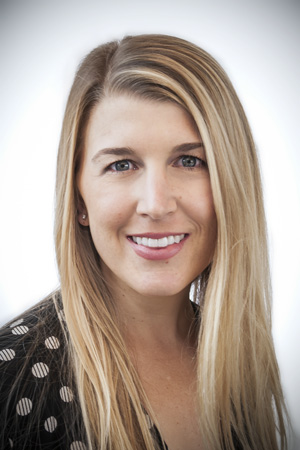
Assistant Professor Jaclyn Omura, MD, led the certification and designation efforts. Dr. Omura co-directs the Children’s neuromuscular program alongside Dr. Seth Perlman, a pediatric neuromuscular neurologist.
PPMD's Certified Duchenne Care Center program recognizes centers that meet standards for comprehensive, multidisciplinary care based on established Duchenne care guidelines. The program aims to improve access to care, reduce variations in treatment, and support consistent, high-quality care for people living with Duchenne muscular dystrophy.
According to Dr. Omura, participation in the network also creates opportunities for Children's clinicians to collaborate with neuromuscular specialists across the country. Children's also received PPMD's Clinical Research Designation, which recognizes Certified Duchenne Care Centers that demonstrate a commitment to excellence in Duchenne clinical trials and research. These recognitions also help connect the team with resources and expertise that support early adoption of new treatments and interventions.
Dr. Omura said the Clinical Research Designation validates the neuromuscular research program's commitment to patient-centered research and helps demonstrate to research and industry partners that Children's is an experienced center for conducting clinical trials and evaluating emerging therapies.
"The care our patients and families receive will not change because of these designations," Dr. Omura said. "However, they can provide additional confidence that our program is committed not only to delivering high-quality care today, but also to improving care for the future."