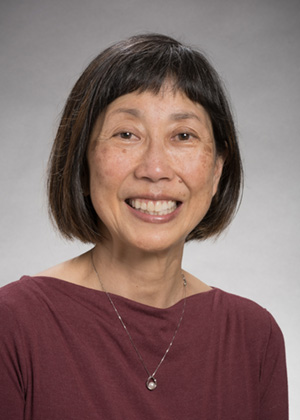
Associate Professor Patricia “Patti” Matsuda, PT, DPT, PhD, found her path to physical therapy early in life. Now, after more than 40 years in the field, Dr. Matsuda will retire this summer. Her career reflects a deep commitment to human connection and service, recognized in 2026 when she received the Dr. Martin Luther King Jr. Community Service Award from the UW Medicine Office of Healthcare Equity.
Dr. Matsuda’s interest in physical therapy began with two early influences. One was a neighbor who graduated from one of the first physical therapy classes at the University of Washington. Although her neighbor practiced only briefly, she introduced Dr. Matsuda to the field.
The second influence was more personal. Dr. Matsuda’s cousin became a quadriplegic after a diving accident in the 1950s, when rehabilitation medicine was still developing. She saw the physical and emotional toll on both her cousin and her uncle, who cared for his son without modern wheelchairs, assistive technology, or support systems.
“I saw how hard it was,” Dr. Matsuda said. “I saw the struggle of the families. I wanted to be part of the solution for people like him and for the people who loved them.”
Building a career at UW
The University of Washington has been central to Dr. Matsuda’s career. She earned a Bachelor of Science in Physical Therapy from the University of Washington in 1982 and a PhD in Rehabilitation Science in 2010 as part of the program’s inaugural cohort, making her a proud “Double Dawg.” She joined the Department of Rehabilitation Medicine at the University of Washington School of Medicine in 1985 as a clinical instructor and became a teaching associate in 2006. Over more than 30 years, she advanced through academic ranks and retires as an associate professor.
Dr. Matsuda began her career as a clinician and later held leadership and educational roles at Virginia Mason Medical Center, where she built a strong foundation in both patient care and teaching.
“Patti has long embodied the best of our profession as a teacher, mentor, and advocate,” said Associate Teaching Professor Laura Johnstone, MPT, PhD. “Her ability to connect people and build community has shaped generations of physical therapists, and her impact will continue through her students and the communities they serve.”
Early in her career, Dr. Matsuda considered both medicine and physical therapy. She chose physical therapy because it allowed her to spend more time with patients and build lasting relationships.
For Dr. Matsuda, the work was never just about movement or function — it was about people.
“I enjoy working with people and getting to know them for who they are,” she said. “To be able to help people is one of the greatest privileges in life.”
Throughout her career, Dr. Matsuda presented more than 30 research posters, published eight abstracts and more than 20 peer-reviewed manuscripts, and contributed to more than two dozen grant submissions. Her research focused on fall prevention, aging, neurologic rehabilitation, and improving care for people with disabilities.
She taught neurologic and geriatric physical therapy courses and was repeatedly selected by graduating students to speak at commencement and White Coat ceremonies.
Support Dr. Matsuda’s legacy of service and teaching
After more than four decades of teaching, mentorship, and community service, Dr. Matsuda leaves a lasting impact on students, patients, and communities across the region. You can honor her legacy by through a donation to the Physical Therapy Education and Training Fund.
Expanding care through service learning
In addition to her research and teaching, Dr. Matsuda played a key role in expanding service learning opportunities for Doctor of Physical Therapy (DPT) students. As director of service learning for the Physical Therapy program, she helped build partnerships across the region, including Seattle King County Clinic and Spinal Cord Injury Transitions at Harborview Medical Center. Students also participate in fall prevention screenings and other community-based programs.
Each DPT cohort includes student leaders who coordinate service projects, connect classmates to opportunities, and develop new partnerships. The program has continued to grow through student leadership, with many applicants citing service learning as a reason they choose the University.
Dr. Matsuda also helped grow a pro bono clinic partnership with Hillman City Clinic in South Seattle, which primarily serves a Vietnamese community. The clinic supports patients without insurance or those who have run out of benefits. DPT students work alongside faculty and alumni, gaining hands-on experience while working with interpreters.
The clinic was founded by alumnus Jason Chan, who is now training to become a clinical instructor. Faculty and alumni volunteer as clinical instructors during the clinic, which is held on the first Saturday of each month. The partnership, now in its fourth year, reflects Dr. Matsuda’s commitment to expanding access to care.
For more than a decade, Dr. Matsuda also contributed to neurologic physical therapy residency education, helping train advanced clinicians for specialized practice.
“Everyone I have cared for has left an indelible mark on my life, impacting me in ways they may never fully realize,” she said.
That commitment to access is also how Dr. Matsuda views her recent recognition. She said the Dr. Martin Luther King Jr. Community Service Award highlights a growing need to serve people who cannot access care, including physical therapy.
“With healthcare in its current state, many people do not have access to care,” she said. “We need to be there for them as much as possible.”
When asked what has brought her the most joy, Dr. Matsuda points to her students.
Leaving a legacy for the next generation
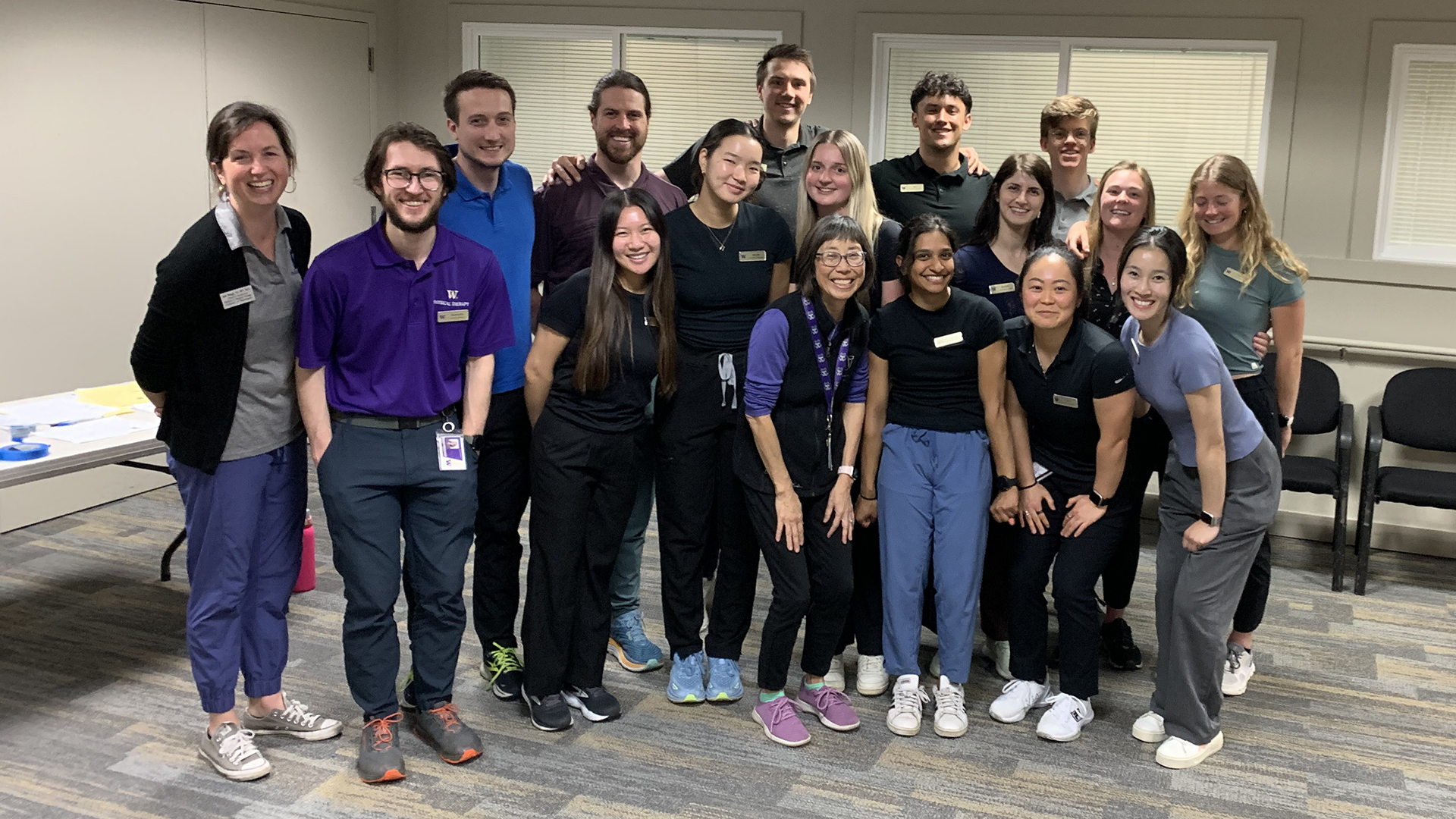
Many of Dr. Matsuda’s former students now serve in leadership roles across the field. Some have returned to their home communities as clinicians, while others lead clinics, mentor new therapists, or teach in physical therapy programs. Others have pursued residency training, including one graduate who now directs a neurologic residency program. Still others are building careers in emerging areas of physical therapy.
“It’s incredibly rewarding to encourage my students and show them how to make an impact,” Dr. Matsuda said. “They do not have to wait to make a difference.”
Through her teaching, mentorship, and service, Dr. Matsuda has helped shape a generation of physical therapists who carry her values forward. She will be remembered for her generosity, encouragement, and deep commitment to improving the lives of others — a legacy that will continue through her students, colleagues, and community partnerships.
Support Dr. Matsuda’s legacy of service and teaching
After more than four decades of teaching, mentorship, and community service, Dr. Matsuda leaves a lasting impact on students, patients, and communities across the region. You can honor her legacy by through a donation to the Physical Therapy Education and Training Fund.