
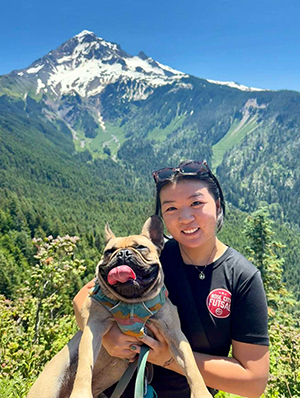
Sierra Barho, a Master of Prosthetics and Orthotics student in the Department of Rehabilitation Medicine at the University of Washington School of Medicine, has been named the inaugural recipient of the Tamarack Term Scholarship.
Established by Tamarack Habilitation Technologies, the scholarship provides financial assistance to students in the Master of Prosthetics and Orthotics program based on financial need and academic merit. The award was created to help remove financial barriers for students pursuing careers in prosthetics and orthotics.
The scholarship is the first donor-funded award established specifically for students in the prosthetics and orthotics program, marking a significant investment in the next generation of prosthetists and orthotists.
Barho said the scholarship is helping make it possible for her to focus on her education, clinical training, and community involvement.
"I am incredibly honored to be a recipient of the Tamarack Term Scholarship," Barho said. "This scholarship is making a significant impact on my life. It allows me to dedicate more time to my clinical rotations, academics, and volunteer involvement without the constant worry of financial strain."
Returning to UW to pursue prosthetics and orthotics
Barho chose the University of Washington's Master of Prosthetics and Orthotics program because of its strong clinical training and commitment to patient-centered care.
She first attended the University of Washington as an undergraduate student before transferring because of the financial challenges of attending school as an out-of-state student. Returning for graduate study felt like an opportunity to come back to a university community that had already played an important role in her education.
"My experiences in adaptive sports and limb-loss community outreach have shaped my passion for this field, and the UW MPO program has allowed me to turn that passion into meaningful clinical work," Barho said.
Building skills through clinical training and community outreach
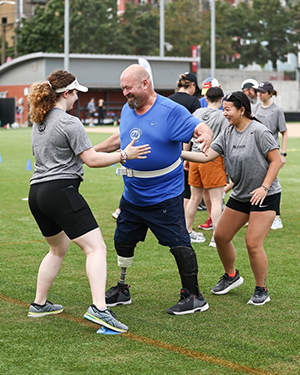
and the Ossur Mobility Clinic.
Outside the classroom, Barho volunteers in adaptive sports programs and limb-loss community outreach efforts. Her ongoing work with Seattle Adaptive Sports and Special Olympics Washington, along with her involvement with the Challenged Athletes Foundation and Össur Mobility Clinic, has further deepened her commitment to the profession.
Like many graduate students, Barho balances coursework, clinical training, volunteer commitments, and employment while pursuing her degree. She said the Tamarack Term Scholarship has eased that burden, allowing her to devote more time to her education and professional development.
"I worked throughout most of my first year to manage expenses while balancing volunteering and coursework," she said. "I recently had to step away from my job due to the demands of the program. [Tamarack’s] support has given me the stability to focus fully on my academics and continue my outreach volunteering."
Barho hopes to build a career that combines science, hands-on problem-solving, and meaningful patient relationships.
"I'm inspired by science, patient connection, and hands-on craft," she said. "My goal is to provide thoughtful care while advocating for mobility and independence."
Supporting the next generation of clinicians
Barho expressed gratitude to Tamarack Habilitation Technologies for investing in students pursuing careers in prosthetics and orthotics.
"I am sincerely grateful for your investment in students like me who are working toward becoming compassionate prosthetic and orthotic clinicians," she said. "Your generosity supports not only my education, but also the future patients I will have the privilege of serving."
By establishing the Tamarack Term Scholarship, Tamarack Habilitation Technologies is helping ensure that financial barriers do not stand in the way of students pursuing careers in prosthetics and orthotics.
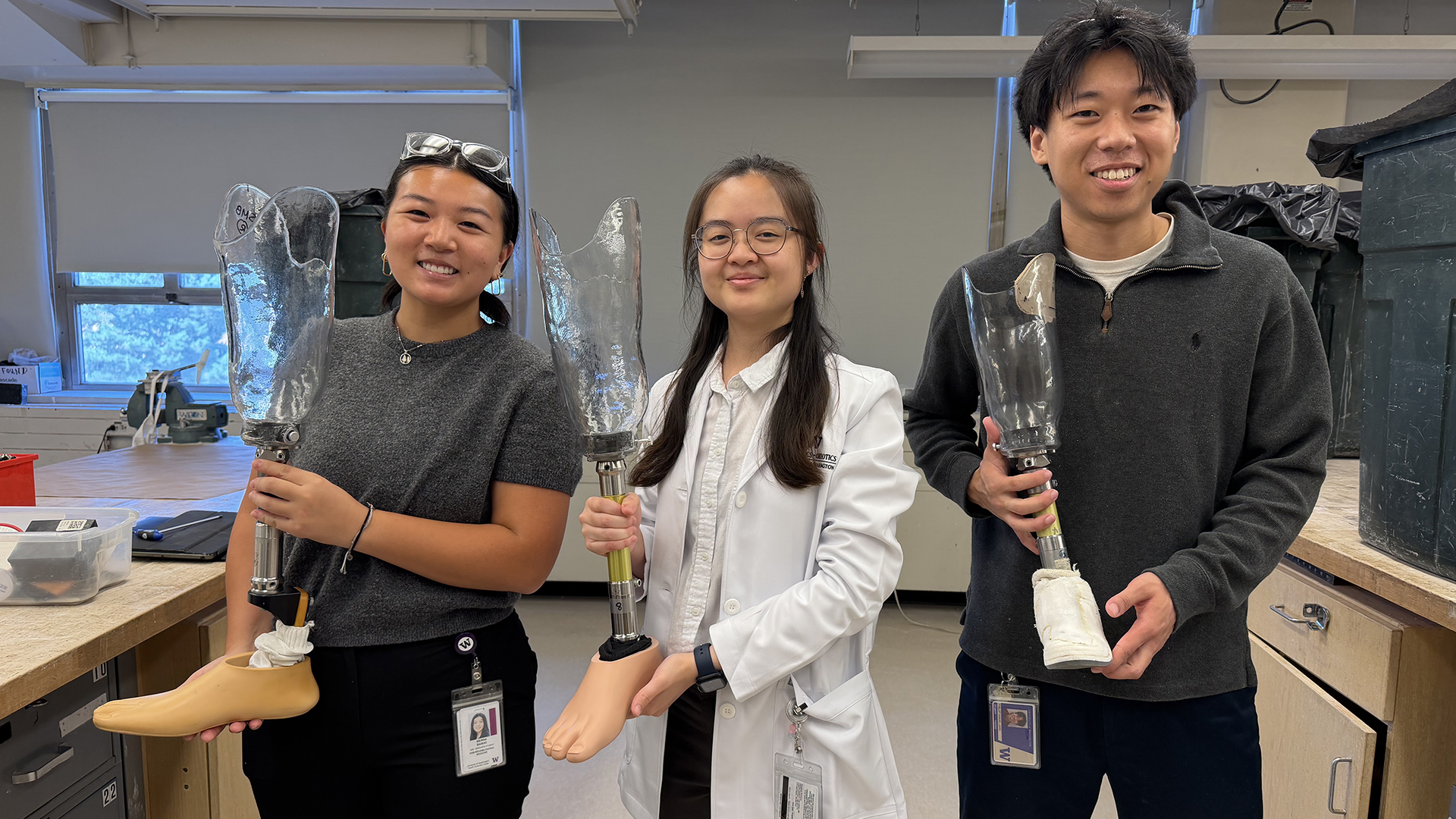
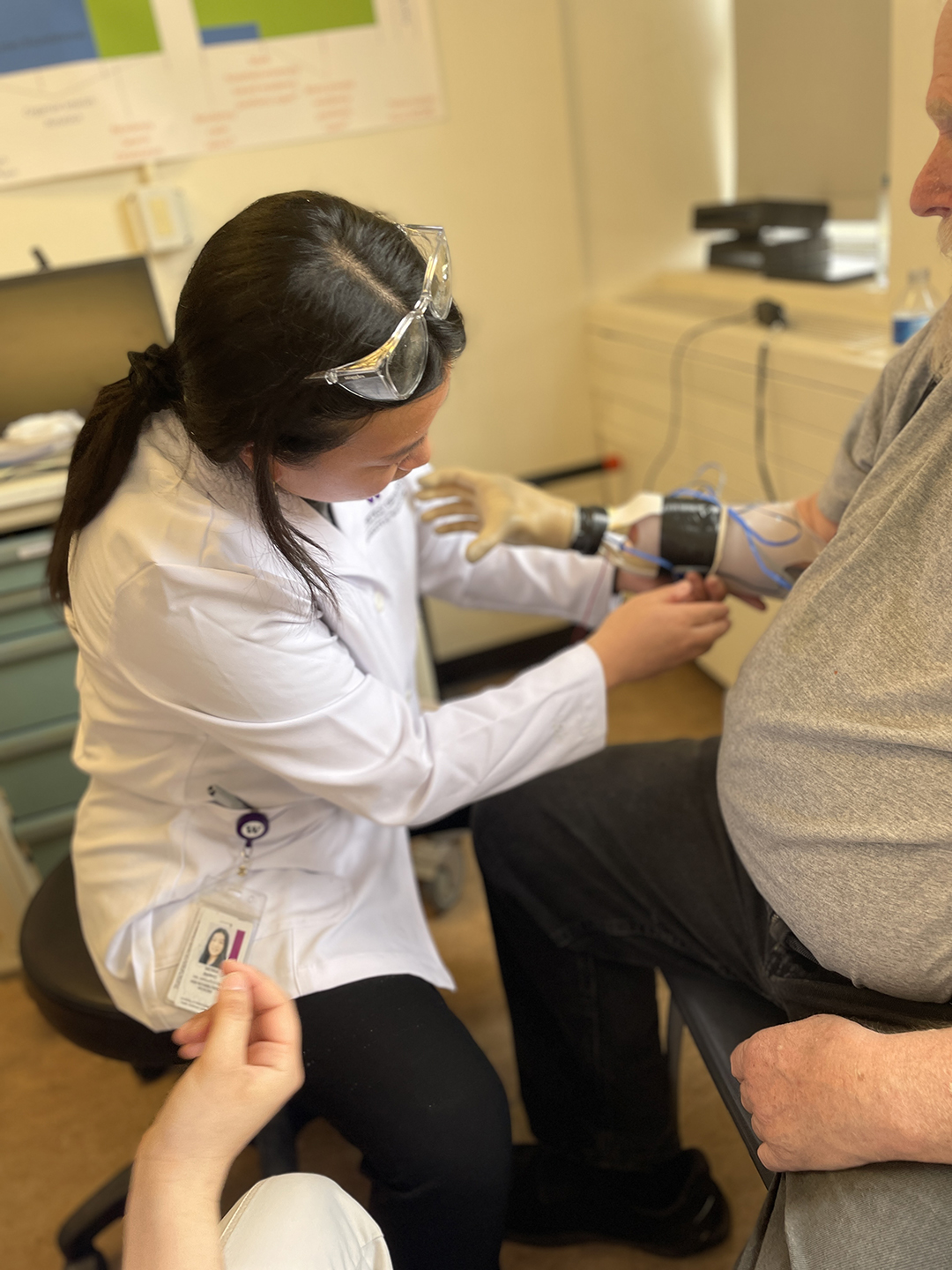
placement for a right-hand prosthesis.