
The Department of Rehabilitation Medicine offers a one-year academic fellowship in Sports Medicine. The fellowship is accredited by the ACGME and after completion allows the graduate to sit for the Sports Medicine CAQ examination. Fellows receive an outstanding clinical experience to develop into well-rounded sports medicine and musculoskeletal physiatrists. The Fellow will gain clinical experience with all aspects of sports medicine (from the pediatric athlete to the active senior and every one in between), but also general musculoskeletal medicine, musculoskeletal ultrasound and related regenerative procedures, spine interventions, and EMG/NCS.
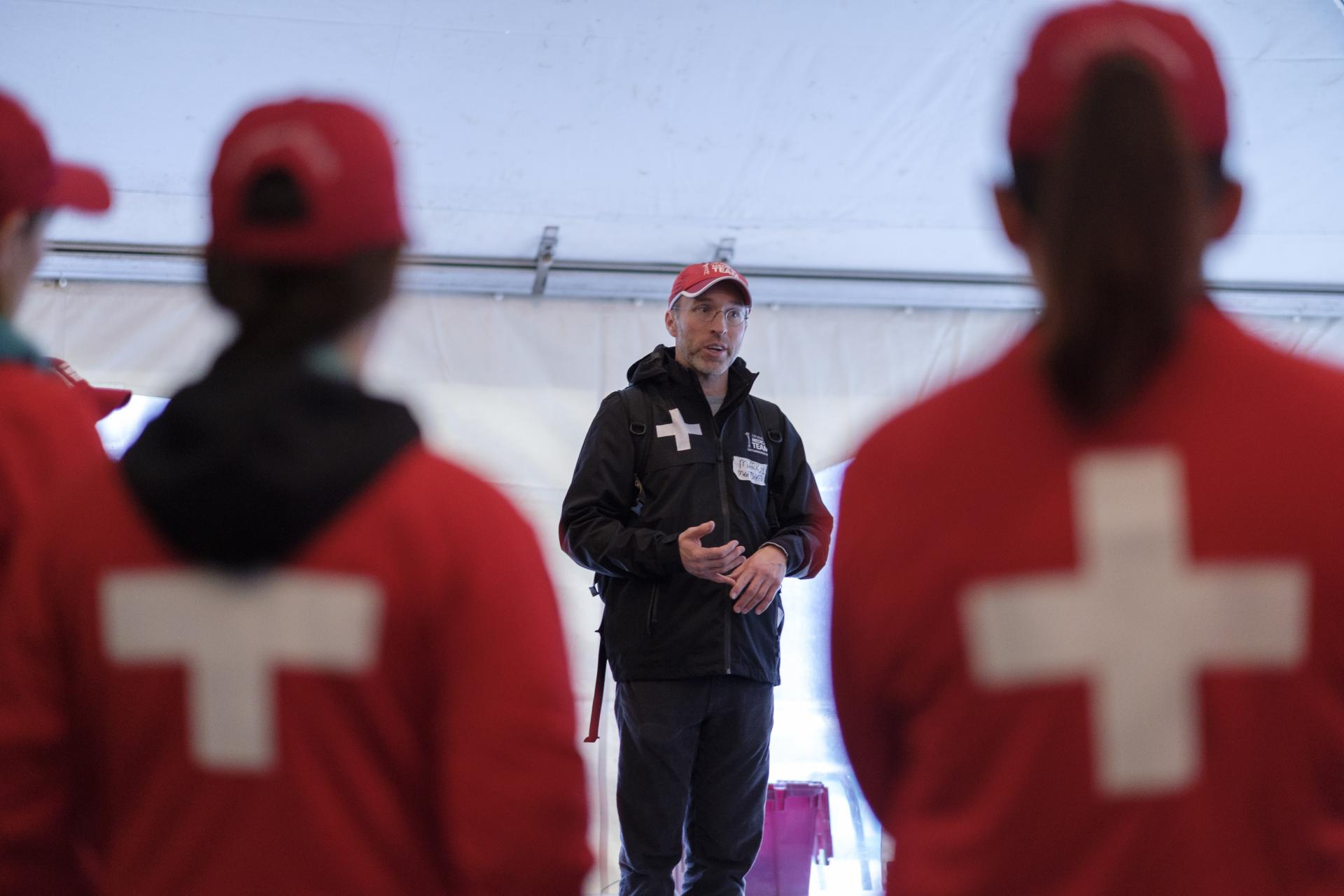
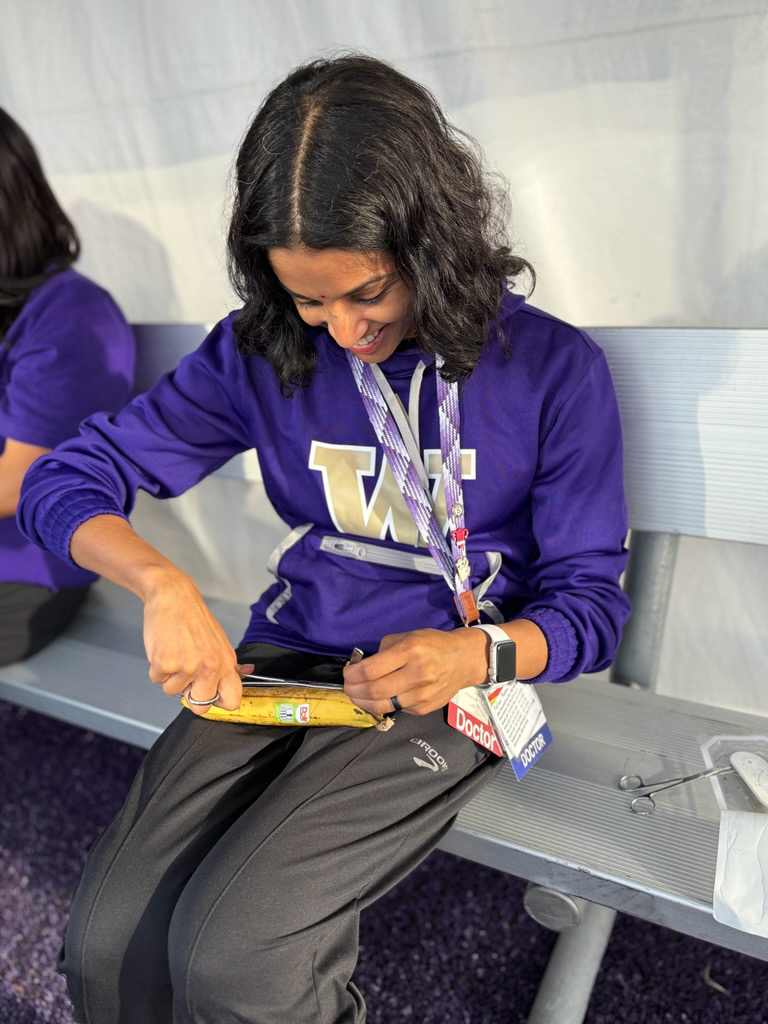
Hands-on sports medicine experiences include game and side-line coverage, training room experience, the organization of and medical care in mass participation endurance events and premier sports concussion and sports cardiology programs.
The Fellow will work closely with and learn from our 19 sports, spine, and musculoskeletal faculty within the Department of Rehabilitation Medicine at the University of Washington located at the seven main clinical sites of UW Medicine Sports and Spine.
Sports Medicine Center at Husky Stadium
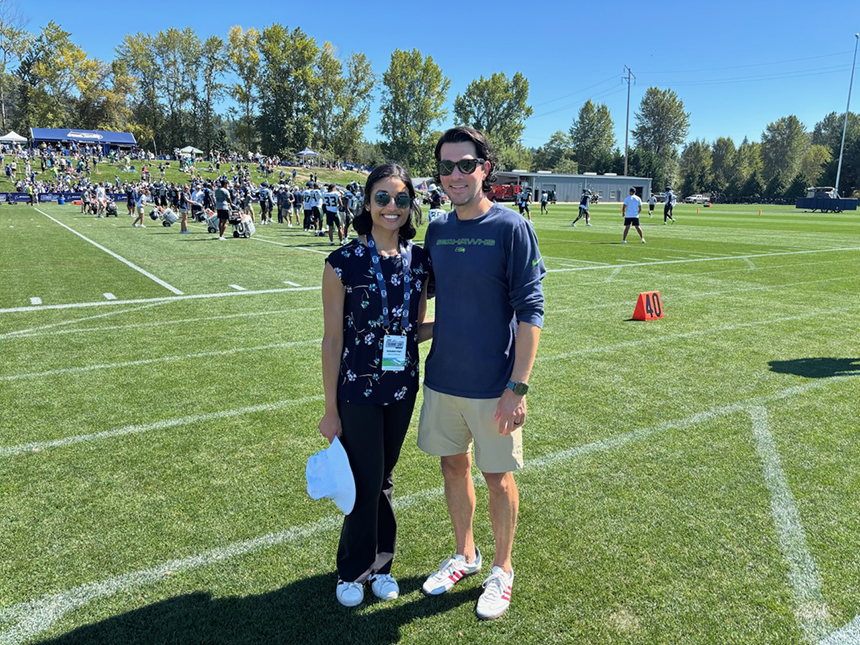
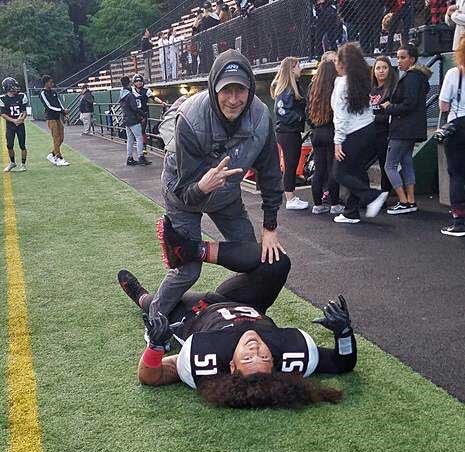
Sports medicine fellow working with Dr. Omar Bhatti during Seattle Seahawks training camp. - Continuity Clinic
- PRP and TENEX
- Running Medicine
- Compartment Testing
- Sports Cardiology
- Extracorporeal shockwave therapy (ESWT)
- Sports Medicine Center at Harborview
- Sports Concussion Program
- Casting
- EMG/NCS
- Emergency Cervical Spine Assessment
- Seattle Children's Hospital
- Pediatric Sports Medicine
- Casting
- UW Roosevelt Center for Pain
- Fluoro-guided axial spine/peripheral joint injections
- UW Northwest Hospital
- Extracorporeal shockwave therapy (ESWT)
- South Lake Union Clinic
- Unique Sports & Spine practice embedded within a UW primary care clinic
- Eastside Specialty Center
- Community Setting
- PRP
- EMG/NCS
Our Faculty
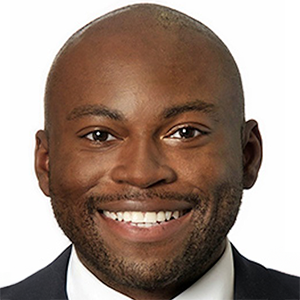
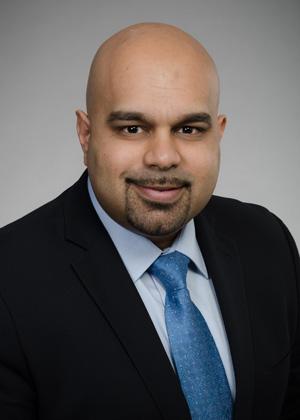
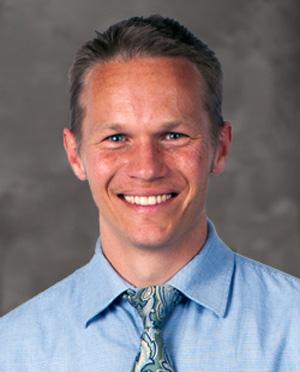
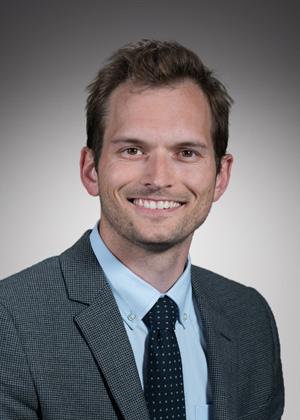
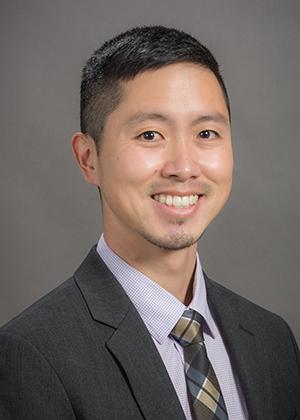
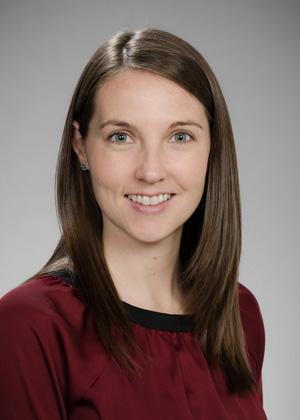
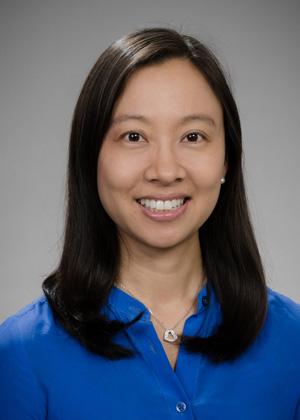
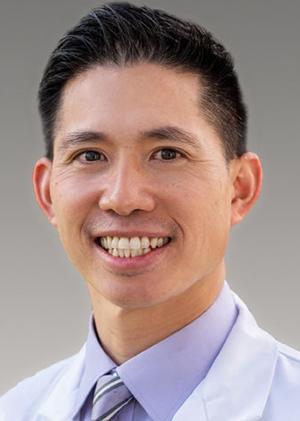
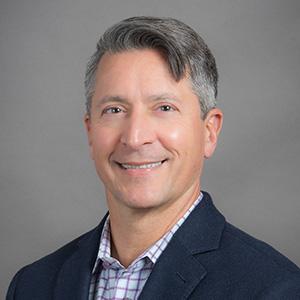
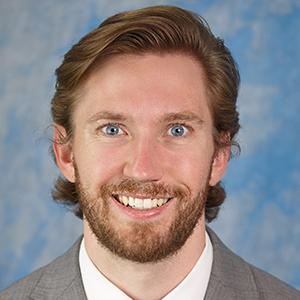
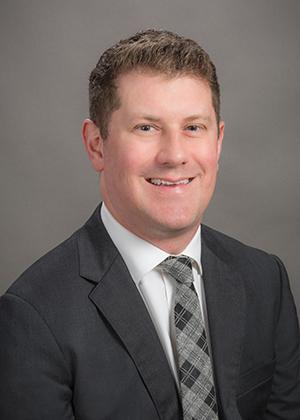
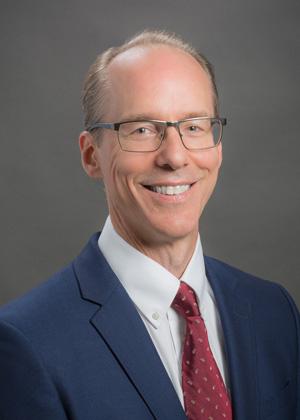

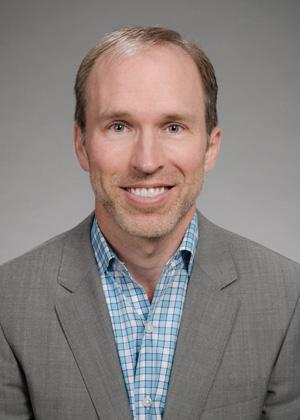
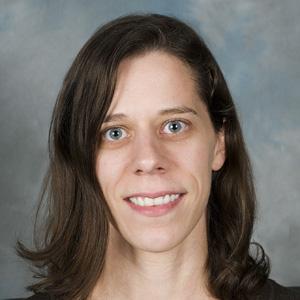
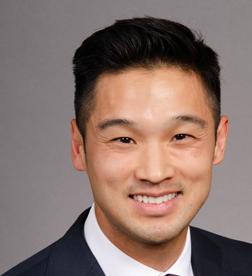
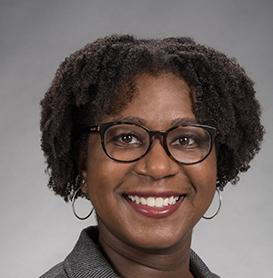
The Fellow will also have the opportunity to work with other renowned faculty of the University of Washington, including our sports medicine colleagues in family medicine, orthopedics, cardiology, and physical therapy, as well as rheumatology, radiology, podiatry, and spine surgery. The Fellow also collaborates with the other UW Primary Care Sports Medicine Fellows in Family Medicine and Pediatrics.
The fellowship experience includes a robust fellowship didactics program, a structured ultrasound curriculum, a sports concussion curriculum, a spine interventions curriculum and multi-disciplinary specialty conferences including Sports Medicine Grand Rounds.
Finally, there will be ample teaching opportunities with residents and medical students as well as opportunities for research and many other scholarly activities.
Procedures taught:
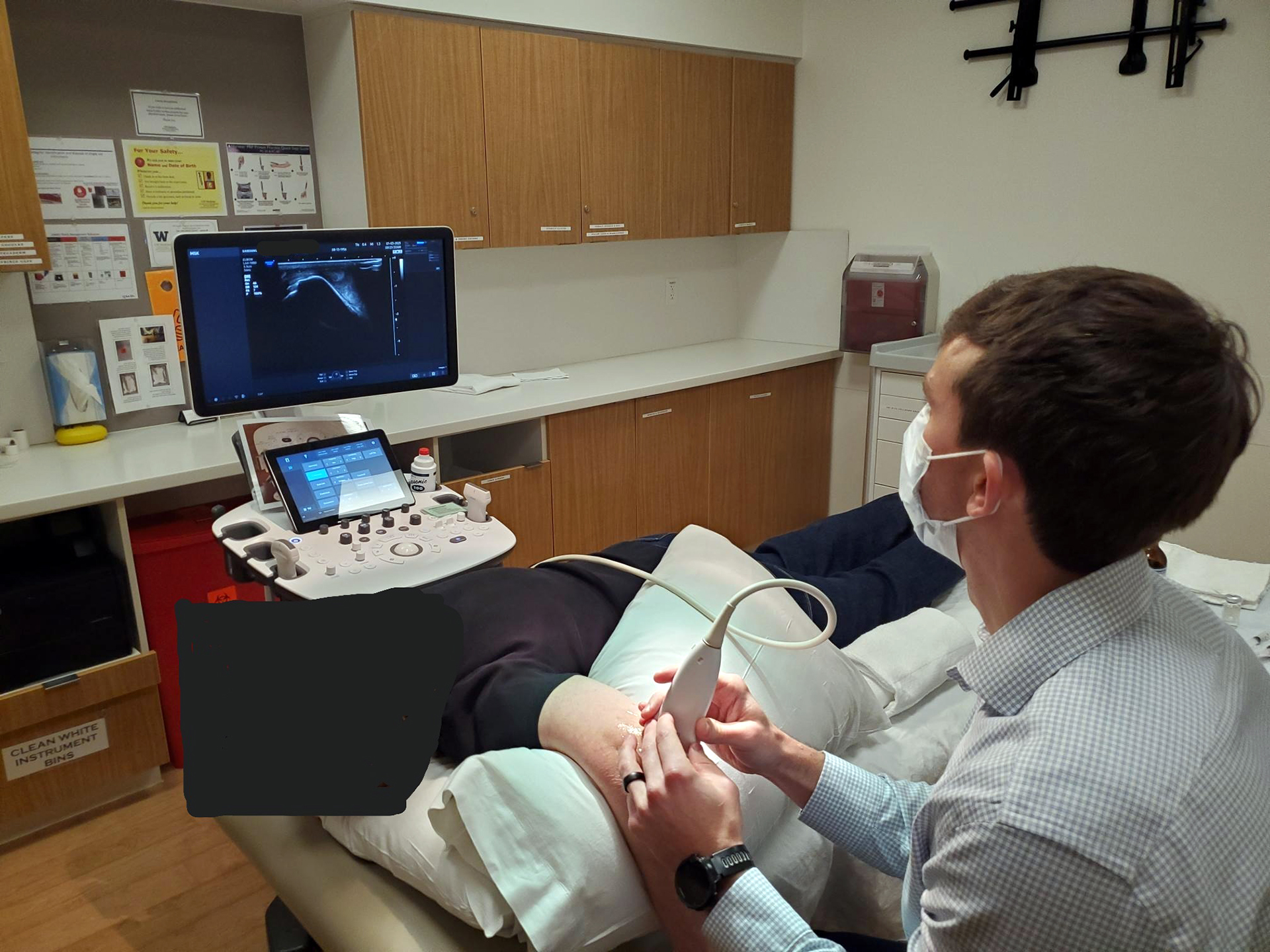
- Diagnostic and Interventional MSK Ultrasound for peripheral joints, tendons, bursa, muscle
- Regenerative Procedures with US guidance, including tenotomy, ABI, PRP, and Tenex
- Lumbar Spinal Injections with fluoroscopic guidance
- ESWT
Applying
Eligibility criteria
- Applicants for the Sports Medicine Fellowship must meet the following criteria:
- In the final year of an ACGME-accredited Physical Medicine and Rehabilitation residency program or successful completion. We are NOT accepting applicants from family medicine, internal medicine and emergency medicine at this time.
- Successful completion of USMLE or COMLEX.
- Eligible for medical licensure in the state of Washington.
- Successful applicants should demonstrate a clear interest in Sports Medicine.
- The University of Washington is committed to fostering an inclusive, respectful and welcoming community for all. As an equal opportunity employer, the University considers applicants for employment without regard to race, color, creed, religion, national origin, citizenship, sex, pregnancy, age, marital status, sexual orientation, gender identity or expression, genetic information, disability, or veteran status consistent with UW Executive Order No. 81.
Information current as of 8/26/2026
Position Identification: Fellow
Position Summary: The University of Washington Department of Rehabilitation Medicine offers a one year AGME-accredited fellowship in Sports Medicine.
General Overview of the Fellow Role
A Sports Medicine fellow’s responsibilities include patient care responsibilities within the scope of their clinical privileges commensurate with level of training and other responsibilities required of all members of the medical staff. Under the supervision of attendings, general responsibilities of the Sports Medicine fellow may include:
- Initial and ongoing assessment of patients’ medical, physical and psychosocial status
- Performing history and physical examination
- Developing assessment and treatment plan
- Performing rounds
- Recording documentation, including progress notes, admission notes, procedure notes and discharge summaries
- Ordering tests, examinations, medications and therapies
- Arranging for discharge, referral and after care.
- Providing patient education and counseling about health status, test results, disease processes and transition of care planning
- Performing procedures
- Assisting in surgery
- Teaching and evaluating junior learners, such as medical students
UW GME Expectations for Professional Behavior
- All Sports Medicine fellows must comply with the UW Medicine Policy on Professional Conduct and the UW Medicine Compliance Code of Conduct
- ACGME Competencies in Professionalism, including fitness for duty (See ACGME Common Program Requirements)
- All Sports Medicine fellows must comply with GME Policies, including the Resident and Fellow Position Appointment Agreement (RFPA)
Essential Functions
Essential functions are the fundamental job duties of the position that cannot be eliminated or substantially modified without changing the nature of the position.
A job function may be considered essential for the following reasons:
- The reason the position exists is to perform that function
- Sports Medicine fellow educational requirements and patient care responsibilities
- A limited number of available Sports Medicine fellows can perform that function
- Varies by program, rotation, year, risk pools, etc.
- The function may be highly specialized so that the trainee in the position is hired for their expertise or ability to perform the particular function
- Cannot easily hire more trainees, especially of a specific R level
- The percentage of time spent on a function does not determine whether or not it is essential.
Essential functions for GME fellows must include consideration of:
- ACGME program requirements
- Specialty board requirements
- UW program requirements
- Unique to each UW training program and must consider:
- Complexity of rotations/service requirements
- Size of program
- Structure and depth of risk pools
- Please refer to the program’s Clinical Coverage Policy
- Inclusive of the hospital system requirements:
- Rotations dependent on Sports Medicine fellows’ service for patient care
- Coverage options available
A Sports Medicine fellow must perform the position’s essential job functions with or without an approved reasonable accommodation. Reasonable accommodation means modifying or adjusting practices, procedures, policies, job duties, or the work or application environment so that a qualified individual with a disability can still perform a position’s essential functions. Approved reasonable accommodations are determined via an interactive process involving the Sports Medicine fellow, DSO/HR/GME and the program.
Essential functions ensure the safe and smooth delivery of education and patient care and are identified in alignment with program aims to facilitate trainee readiness for independent practice across an appropriate range of clinical settings for that specialty. Transparent documentation of a program’s essential functions is also an important resource for applicants evaluating the training program during recruitment.
Essential Program Administrative Functions
Onboarding
The Sports Medicine fellow must:
- comply with all program and institutional tasks required for credentialing and onboarding by the requested deadlines
- Other functions/details specific to the program:
- Meet with program director or associate program director to review fellowship calendar, sports coverage schedule, curriculum structure
Program Tasks and Documentation
The Sports Medicine fellow must:
- participate in all requests for schedule preferences, requests for absence or schedule changes of requests for clinical coverage on the requested timelines or deadlines.
- complete in a timely manner all evaluations requested for medical students, peer Sports Medicine fellows, faculty or other members of the team
- complete MedHub clinical and educational hour logs
- complete case or procedure logs
- complete the annual ACGME Sports Medicine fellow Survey
- complete the program’s annual confidential internal survey
- complete required examination preparation and/or testing requirements, to include USMLE or COMLEX Step 3, in-training examinations and program-specific guidelines for national board certification
- attendance at all required program meetings, including semiannual meetings, mentorship meetings, program retreats, etc.
- Other functions/details specific to the program, including specifics on timeliness:
- Register and complete AMSSM ITE Pre-Test and Ultrasound Pre-Test
Essential Program Core Educational Functions
Didactics
The Sports Medicine fellow must:
- Comply with all standards for attendance at didactics or other core educational activities
- Adhere to the preferred mode of attendance (in-person, virtual, hybrid)
- Other functions/details specific to the program:
- Prepare and deliver presentations for core multidiscipinary Sports Fellowship didactics
Scholarship
The Sports Medicine fellow must:
- Comply with all program or specialty requirements for research or scholarship, quality improvement, national or regional conference presentation, publication or scholarly writing or teaching and presentations internal to the program (e.g. journal club, didactics, case conference, M&M, etc.)
- Other functions/details specific to the program:
- Prepare and deliver presentations for monthly Journal clubs
- Prepare and deliver presentation for Sports Medicine Grand Rounds
- Prepare and deliver presentation for Department MSK Grand Rounds
- Prepare and deliver presentations for Sports Medicine fellow Clinical MSK Course Didactics
Essential Patient Care Functions
Presence and preparedness
The Sports Medicine fellow must:
- present to work as physically, mentally and emotionally fit for duty
- arrive at the patient care setting on schedule
- arrive at work in attire appropriate for the professional and safe delivery of patient care
- meet expectations for chart review or pre-rounding
- satisfy expectations that precede sign-out and/or departure from the clinical setting, including an appropriate handoff and follow up on all patient assessments/data/studies that will alter care in the near term.
Administrative
The Sports Medicine fellow must:
- complete patient health record documentation on the schedule prescribed by the program or medical center. (Examples include but are not limited to progress notes/visit summaries, discharge summaries, operative or procedure notes, perioperative records)
- comply with expectations for EHR inbox management, including timely responses to messages from patients, medical staff and tracking and patient follow up of expected results
Patient Care Communication
The Sports Medicine fellow must:
- respond in a timely manner to pages, phone calls and Epic Secure Chat
- remain within the program-prescribed geographic range while on call or eligible for coverage
- Other functions/details specific to the program, including specifics on timeliness:
- Inform attending physicians of patient care issues when assistance is necessary
Patient Care Volumes
The Sports Medicine fellow must:
- work toward (with supervision) or meet benchmarks for patient care volumes in all clinical settings
- appropriately request and utilize supervision
- work toward or ultimately meet procedure certification standards
- Other functions/details specific to the program:
- Gradually progress in patient volumes in fellow’s dedicated continuity clinic
Consultation
The Sports Medicine fellow must:
- appropriately respond to, triage, and staff consultations in a timely manner
- document findings and recommendations in a timely manner
- communicate with the requesting service directly (e.g. in-person, phone) in advance of and following the assessment
- ensure that consultations are staffed and finalized with a faculty member in a timely manner
Essential Shift and Schedule Functions
Settings
- complete assigned shifts in settings deemed essential by the program, such as inpatient units, NICU, PICU, emergency department, and outpatient specialty and primary care clinics
- complete assigned away rotations deemed essential by the program
- Other functions/details specific to the program:
- Complete all required sports medicine coverage events
Shift length and timing
The Sports Medicine fellow must:
- complete shifts of all lengths deemed essential by the program, which may include daytime, swing,
- nights, weekends, and holidays
- Shifts must not exceed ACGME limits of up to 28 hours per shift, and up to 80 hours per week averaged over a 4 week period
- where appropriate, comply with designated break lengths (to meet personal needs and not impact patient care)
Call Responsibilities
The Sports Medicine fellow must:
- complete assigned shifts of overnight call, as deemed essential by the program
- complete assigned shifts of home call, as deemed essential by the program
- remain within the prescribed geographic range while on call or eligible for coverage
Essential Cognitive Functions
Analyze, synthesize, and apply knowledge from clinical experience, readings, and didactic learning to support clinical decision-making.
Functions/details specific to the program:
Sports Medicine Fellow must be able to function using the ACGME Sports Medicine Milestones as guidelines. The Goal is to work toward at least Level 4 by graduation. For example:
- Synthesizes and applies knowledge of pathophysiology, evaluation, and diagnostic testing to management of complex sports medicine-related musculoskeletal injuries
- Synthesizes and applies knowledge of return-to-play guidelines for complex musculoskeletal conditions in sports medicine
Essential Communication Functions
(including verbal and written)
Collaborate effectively with members of the healthcare team across roles and settings to support coordinated, high-quality care.
Functions/details specific to the program:
Sports Medicine Fellow must be able to function using the ACGME Sports Medicine Milestones as guidelines. The Goal is to work toward at least Level 4 by graduation. For example:
- Demonstrates efficiency in documenting patient encounters and updating record.
- Manages the volume and extent of written and verbal communication required for independent practice
- Initiates difficult conversations with appropriate stakeholders to improve the system.
Essential physical functions
(including senses, stances and mobility, manipulation and technical skills)
Functions/details specific to the program:
Sports Medicine Fellow must be able to:
- Perform comprehensive musculoskeletal and concussion physical exam assessments
- Perform ultrasound guided diagnostic and interventional procedures including joint, bursa, tendon and ligament injections.
- Perform fluoroscopically guided lumbar spine and peripheral joint procedures
Statement Of Nondiscrimination
The University of Washington prohibits discrimination, harassment and sexual misconduct in any education program or activity that it operates. Individuals may report concerns, make complaints, or direct inquiries to the Civil Rights Compliance Office. View the Statement of Nondiscrimination.
Key Principles for ADA-Compliant Language:
- Focus on results, not methods
- Essential function is a completed task, not how that task is completed
More Inclusive Term | Example of Physical Demand |
Move/traverse | Walk, run |
Ascend/descend | Climb |
Transport | Carry |
Relocate | Lift |
Stationary position | Sit, stand |
Position, detect, operate | Feel, handle |
Maneuver | Pull, push |
Attain | Reach |
Retrieve from ground level | Squat |
Repetitive movement | Performing a task repeatedly |
Communicate | Speak, talk, hear |
Communicate in written language | Write |
Input data | Use keyboard |
Position self (to move) | Crouching, stooping, crawling |
Work atop | Balance |
Determine, identify, assess, recognize | See |
Assess | Hear |
Review | Read |
Adhere | Remember |
Apply | Think |
This document reflects requirements, established practices, policies, procedures, and resources as of the date of publication; however, parts of this document may be updated from time to time in accordance with changes in the law and applicable requirements, established practices, policies, procedures, and resources. Continued participation by a Sport Medicine fellow in the program will demonstrate agreement by the Sports Medicine fellow to adhere to the updates.
Application process
Individuals may apply for the Sports Medicine Fellowship by submitting the following:
- Curriculum vitae
- Three letters of recommendation including one from your residency program director
- Personal statement that addresses the following:
- Explain your primary interest in PM&R and Sports Medicine.
- Why have you chosen UW as a potential for fellowship training?
- What is your ideal practice scenario post-fellowship training?
Application timeline:
Please apply through the ERAS system.
Applicants may begin submitting through ERAS in early July, and we will begin downloading applications from ERAS in mid-July.
Deadline for accepting completed applications: August 1.
Interview dates offered in October-November.
The Sports Medicine Fellowship is a part of the National Resident Matching Program (NRMP) primary care sports medicine fellowship match. Rank lists are due in early December and "Match Day" is in early January.
Questions on the fellowship may be directed to: pmrsportsfellowship@uw.edu
Previous Fellows
Sports Medicine Fellows | Post-Fellowship Job |
|---|---|
Jack Kilgore, MD | TBD |
Aarthi Manjunathan, DO | UC Davis (Sacramento, CA) |
Andy Hiett, MD | University of Kansas (Kansas City, MO) |
Adil Malik, MD | PeaceHealth (Vancouver, WA) |
Malia Cali, MD | Steadman Clinic (Frisco, CO) |
Ahmed El-Sayed, DO | University of British Columbia (Vancouver, BC) |
Christina Giacomazzi, DO | Kaiser Permanente (San Diego) |
Sherry Igbinigie, MD | Baylor Scott & White Health (Dallas, TX) |
Trevor Gessel, MD | Casper Orthopedics (Casper, WY) |
Chris McMullen, MD | University of Washington |
Nate Olafsen, MD | Washington University (St Louis) |
Adrielle Fry, MD | Evergreen Sports & Spine (Kirkland) |
Steve Gingrich, MD | Pac Med Center (Sports Med-Seattle) |
Matthew Grierson, MD | Seattle Sports and Spine (Seattle) |
Brian Liem, MD | University of Washington |
Dan Colonno, MD | Kaiser (Denver) |
Leah Concannon, MD | University of Washington |
Erin Maslowski, MD | Gunderson Lutheran Clinic (WI) |
Trevin Thurmin, MD | Private Practice (Los Angeles) |
Kirk Danielson, MD | Providence Med Group (Centralia) |
Nayna Patel, MD | Scripps / Ortho (San Diego) |
UW GME Resources
Find resources at: Prospective Residents & Fellows | UW Graduate Medical Education
Stipends & Benefits
This fellowship offers the stipend and benefit package updated annually by UW Graduate Medical Education.