
The University of Washington Department of Rehabilitation Medicine offers a one-year ACGME-accredited fellowship in Spinal Cord Injury (SCI) Medicine.
The mission of the fellowship program is to provide physicians with the knowledge and skills to deliver comprehensive, quality, and compassionate care to individuals with SCI. Care is provided throughout the lifetime of injury with the goals to maximize health, independence, productivity, and quality of life. Person-centered care, interdisciplinary collaboration, education, and academic scholarship and research are highly valued.
The curriculum emphasizes the lifelong nature of rehabilitation. SCI Medicine fellows work with persons with acute SCI in intensive care settings and inpatient rehabilitation units, focusing on initial rehabilitation services and education. SCI Medicine fellows also work on developing skills to manage the primary care needs and medical complications for individuals with chronic SCI.
SCI Medicine fellows work closely with SCI board certified physicians, as well as certified rehabilitation nurses, rehabilitation psychologists and social workers, physical therapy and occupational therapy clinical specialists, recreation therapists, urologists, plastic surgeons, and neurosurgeons.
Applying
The University of Washington will begin accepting application materials for the 2027–2028 academic year on April 1, 2026. The deadline to submit all materials is August 15, 2026. Applicants should use the common SCI Fellow Application available from the Academy of Spinal Cord Injury Professionals. Interviews will be offered in a virtual format for all candidates and will be scheduled June through October 2026.
The fellowship participates in The Match through the National Resident Matching Program. Applicants must register with NRMP in addition to submitting the common application.
The University of Washington is committed to fostering an inclusive, respectful and welcoming community for all. As an equal opportunity employer, the University considers applicants for employment without regard to race, color, creed, religion, national origin, citizenship, sex, pregnancy, age, marital status, sexual orientation, gender identity or expression, genetic information, disability, or veteran status consistent with UW Executive Order No. 81.
Application timeline for academic year 2027–2028
- Suggested submission window: April 1–August 15, 2026
- Match opens: August 5, 2026
- Ranking opens: September 2, 2026
- Ranking closes: October 7, 2026
- Match Day: October 21, 2026
Where to send application materials
Email (preferred) or mail materials to:
Jelena Svircev, MD
SCIM Fellowship Program Director
Department of Veterans Affairs, Puget Sound Health Care System
1660 South Columbian Way – SCI 128
Seattle, WA 98108
Email: jsvircev@uw.edu
Selection criteria
The UW SCI Medicine fellowship program is certified by the Accreditation Council for Graduate Medical Education (ACGME). Applicants for the SCI Medicine Fellowship must meet the following criteria:
- Successful completion of USMLE or COMLEX
- Eligible for limited medical licensure in the state of Washington.
Prior to appointment in the fellowship program, fellows must have successfully completed an ACGME-accredited program in one of the following:
- physical medicine and rehabilitation
- internal medicine
- neurology
- family practice.
Applications from other eligible specialties will be considered if the applicant has a strong interest in SCI Medicine, including: anesthesiology, emergency medicine, neurological surgery, orthopedic surgery, pediatrics, general surgery, plastic surgery, urology.
Fellowship interviews for 2027–2028
All interviews for the Spinal Cord Injury Medicine Fellowship positions beginning in the 2027–2028 academic year will be conducted in a virtual format.
- Dr. Jelena Svircev, SCIM Fellowship Program Director, speaks individually with each applicant before scheduling a formal virtual interview.
- Interviews will be scheduled beginning in June.
- Interviews are typically held on Fridays and last approximately two to three hours.
- The UW Spinal Cord Injury Medicine Fellowship participates in The Match through the National Resident Matching Program.
- Match Opens: August 5, 2026
- Ranking Opens: September 2, 2026
- Ranking Closes: October 7, 2026
- Match Day: October 21, 2026
Stipend & Benefits
This fellowship offers the stipend and benefit package updated annually by UW Graduate Medical Education.
Our Faculty
The Department of Rehabilitation Medicine has one of the largest groups of spinal cord injury board‑certified physicians in the United States.
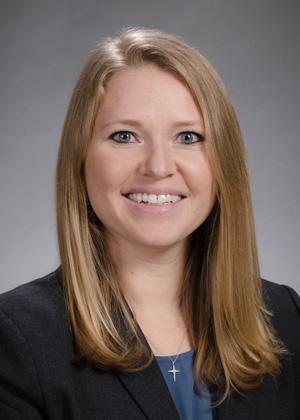
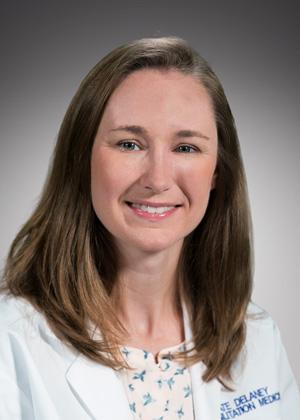
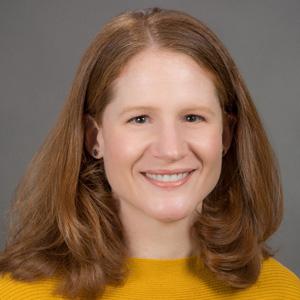
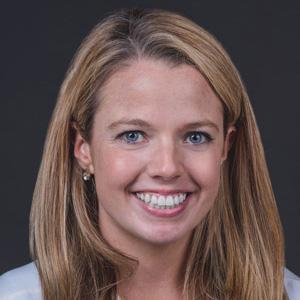
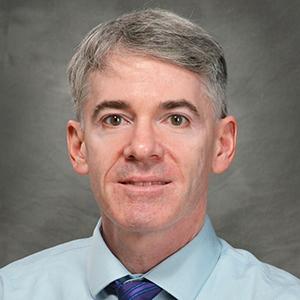
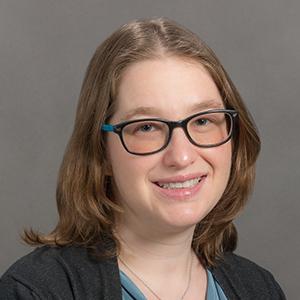
Core SCIM Fellowship faculty include:

Life in Seattle
Visit our Life in Seattle page for more information about living in the Pacific Northwest.
Visit Prospective Residents & Fellows | UW Graduate Medical Education for more information about Seattle and what you can expect from a residency or fellowship at the University of Washington.
Additional fellowship information
Mission
The mission of the University of Washington Spinal Cord Injury Medicine Fellowship is to train physicians to deliver high‑quality, compassionate care for individuals with spinal cord injury. The program supports the UW Medicine mission to improve the health of the public. Fellows learn to provide care throughout the lifespan of injury and help maximize health, independence, productivity, and quality of life. The program values person‑centered care, interdisciplinary collaboration, education, and academic scholarship.
Aims
The program aims to train fellows who will:
- Dedicate a significant portion of their careers to caring for individuals with spinal cord injury
- Provide SCI‑related education to peers, trainees, and communities
- Contribute to community activities and advocacy efforts supporting people with SCI
Fellowship history
- ACGME‑accredited since 1998
- Thirty‑five graduates since 1998
- Approved for two fellows per year
- Fellowship funding provided by UW and the Craig H. Neilsen Foundation
- Neilsen Foundation grant awarded since 2017 and secured through 2027; application submitted for 2027–2030
Rotation schedule
The 12‑month academic year is divided into monthly rotations. The schedule includes:
- Four months of inpatient spinal cord injury (two months at the VA and two months at Harborview Medical Center)
- Four months of outpatient spinal cord injury across the VA, Harborview, the University of Washington, and Seattle Children’s Hospital
- Two months of acute SCI consults at Harborview
- Two months of VA SCI consults and academic or research activities
A continuity clinic occurs every other week at Harborview.
Rotation sites
UW Medical Center – Montlake
Clinical experiences include:
- SCI Clinic
- Spasticity Clinic
- Transitions Clinic
- Neuromuscular Pulmonary Clinic
Patient population includes medically complex SCI, postoperative patients, trauma, and congenital SCI.
Seattle Children’s Hospital
- Spina Bifida Clinic (2–4 days per year)
Harborview Medical Center – Inpatient
Patient population includes younger adults, primarily traumatic but also infectious and non‑traumatic SCI, including patients with psychosocially complex needs. Harborview is a safety net hospital. The inpatient unit has 26 beds. Fellows follow patients with SCI and work with SCI‑board‑certified attending physicians.
Harborview Medical Center – Outpatient
Clinical experiences include:
- Acute SCI consults
- Four or five new injuries per week
- Fellows typically follow eight to 10 patients
- Approximately 125 new cervical SCI cases annually
- SCI clinics (SCI care and spasticity management)
- SCI continuity clinic every other week with Dr. Sankary
VA Puget Sound – Outpatient
Clinical experiences include:
- VA SCI Clinic
- SCI-specific issues, general primary care for Vets with SCI
- ALS Clinic with Rehab Care Service (PMR physicians)
- MS Clinic with Rehab Care Service
- Neuro‑Urology (2–4 days per year)
- Wound Care Clinic (2–4 days per year)
- Consults for MICU, SICU, and general medicine and surgery wards
VA Puget Sound – Inpatient
The 38‑bed inpatient unit provides lifelong care, including:
- Acute and subacute rehabilitation
- Medical and surgical management
- Wound care
- Annual evaluations and therapy‑related admissions
Patient population includes older veterans with complex medical and psychosocial needs, with approximately half traumatic and half non‑traumatic injuries.
Ventilator management experience
VA Puget Sound Health Care System – inpatient
- Three ventilator beds designated for patients with higher respiratory risk
- Fellows typically participate in ventilator weaning for two to three veterans each year
- Diaphragm pacing is not currently offered
Harborview Medical Center
- Typically two inpatient ventilator beds for patients with spinal cord injury
- Fellows are involved in approximately five inpatient ventilator weans per year
Consult experience
- Substantial experience working as a consultant on respiratory issues
- Fellows regularly collaborate with interdisciplinary teams on ventilator management and weaning, particularly through Harborview consult services
Fellow perspective
- Recent fellows report that inpatient rehabilitation ventilator volumes are similar to those at many programs, apart from highly specialized standalone ventilator units
- Fellows note particularly strong exposure through Harborview consults
- Faculty expertise and clinical infrastructure support hands‑on learning in ventilator management
- One recent fellow reported managing more than 20 ventilated patients across inpatient and consult services during the fellowship
Injections and intrathecal baclofen
Fellows participate in:
- Hands-on ITB and injections at UW Medical Center and Harborview
- A small number of Veterans also have ITB
- Approximately 50 procedures per year (volume varies with fellow interest)
- Ultrasound‑guided procedures and ultrasound workshops with PM&R residents
Ultrasound
Ultrasound is available at both the VA and Harborview. The program continues to explore ways to incorporate ultrasound into clinical care and fellow education.
Didactics
Weekly Friday noontime didactics are delivered routinely by clinicians. Didactics are directed at level of SCIM Fellows; PMR residents and interdisciplinary colleagues regularly join session. Didactics often includes a journal article review related to the topic.
Didactics are delivered quarterly by SCIM fellow. These sessions are directed at the level of PMR residents. They offer the opportunity to advance presentation skills and have a “tried and true” presentation for job interviews.
Example SCI didactics lecture schedule
January
- January 7: Spinal cord tumors
- January 14: Inflammation in spinal cord injury
- January 21: Driver’s rehabilitation
- January 28: Resident lecture
February
- February 4: Stem cell therapies
- February 11: Acute spinal cord injury evaluation
- February 18: Acid–base disorders
- February 25: Resident lecture
March
- March 4: Musculoskeletal ultrasound in spinal cord injury practice
- March 11: Multiple sclerosis
- March 18: Surgical management of syrinx, hydrocephalus, and tethered spinal cord
- March 25: Resident lecture
April
- April 1: Imaging of the spine: post‑surgical changes
- April 8: Hereditary and congenital conditions
- April 15: Polio and post‑polio syndrome
- April 22: Traumatic brain injury and spinal cord injury
- April 29: Pregnancy after spinal cord injury
May
- May 6: Surgical management of spinal cord injury bowel and bladder
- May 13: Obstructive sleep apnea equipment and CPAP
- May 20: Robotics or electrical stimulation
- May 27: Resident lecture
Additional didactics
- Weekly SCI Urology Rounds
- Regular PT and OT “recheck” sessions
- Monthly SCI quality improvement meeting
- Opportunities to participate in UW GME Quality Improvement and Patient Safety and UW GME Diversity, Inclusion, and Equity courses
Teaching
- SCI Medicine fellow didactics
- PM&R resident neurorehabilitation course
- Medical student small‑group discussions focused on spinal cord injury
- Community education through the Northwest Spinal Cord Injury Forum
Quality improvement and research projects
- Electronic International Standards for Neurological Classification of Spinal Cord Injury (E‑ISNCSCI) exam
- Inpatient and outpatient SCI satisfaction surveys
- Virtual annual evaluation satisfaction survey
- Colonoscopy preparation in veterans with spinal cord injury
- Subacute versus acute rehabilitation in veterans with spinal cord injury
- Rehospitalization patterns in veterans with spinal cord injury
Advocacy and professional engagement
- Opportunities for state‑level policy advocacy through the Washington State Medical Association (membership is free for PM&R residents and fellows)
- Encouragement and support to participate in national PM&R and spinal cord injury organizations, including the American Academy of Physical Medicine and Rehabilitation and the Academy of Spinal Cord Injury Professionals
Self‑directed learning
- Independent study and preparation for board certification examinations
Publications and presentations
Fellows and faculty regularly publish and present on SCI‑related topics. Examples include:
- Subacute vs. acute rehabilitation in veterans with SCI
- Lower limb loss in SCI
- Transition from manual to power wheelchairs
- Outcomes of flap surgery in SCI
- COVID‑19 vaccine breakthrough cases in SCI
- Workforce projections for SCI physicians
- Research on ventilatory failure, syringomyelia, and more
Diversity of academic activities
SCI faculty members have produced more than 100 peer‑reviewed publications (many by the prolific Dr. Stephen Burns) and are involved in:
- Fellow and residency education
- VA and UW Medicine committee work
- National leadership roles in SCI and PM&R organizations
- ABPMR and ACGME committees and examinations
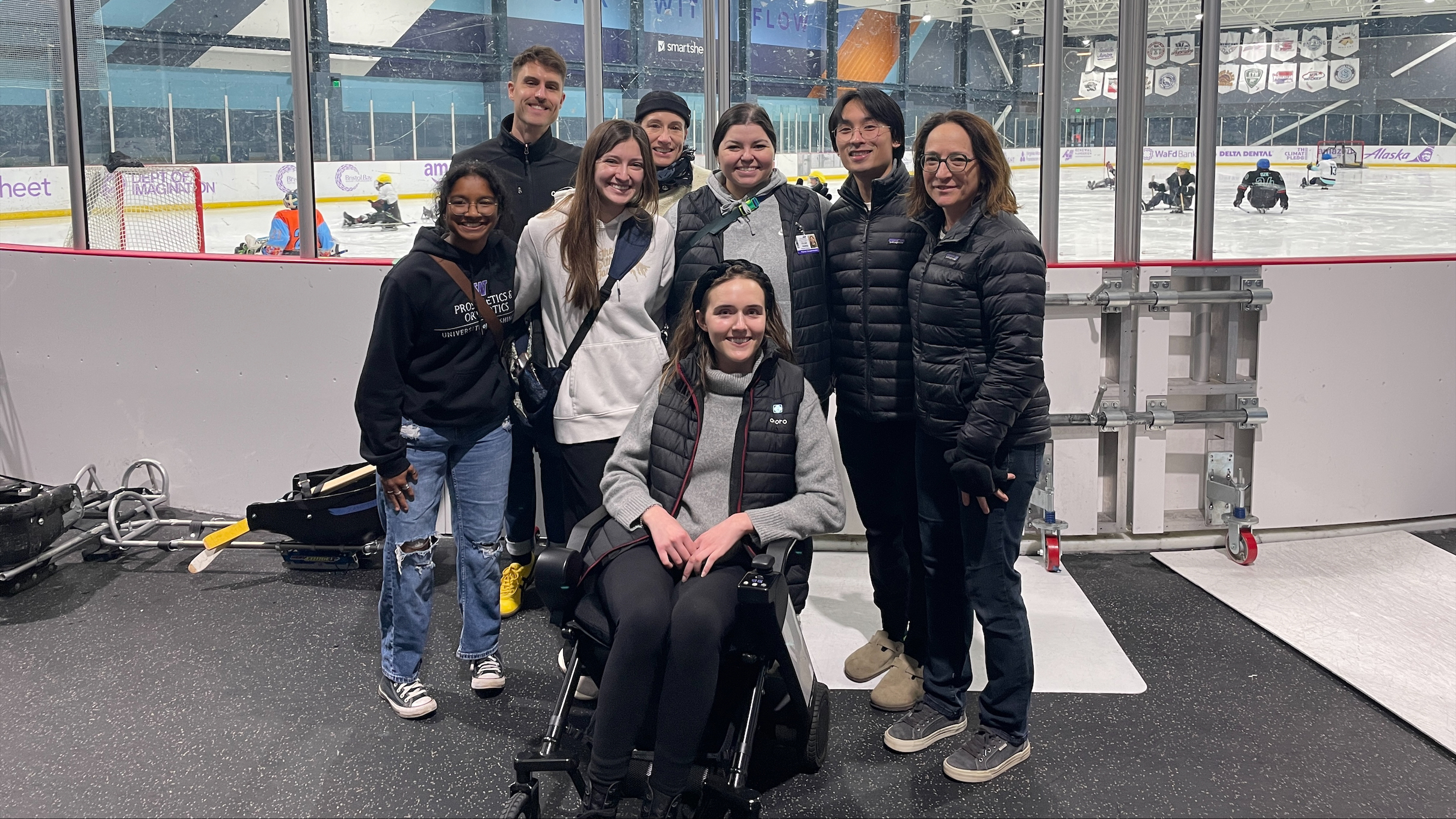
Fellows are exposed to a wide range of adaptive sports and recreational opportunities through clinical training sites and community partnerships.
VA Puget Sound Health Care System
- Strong involvement in adaptive sports programming for veterans with spinal cord injury
- Access to adaptive equipment, including handcycles, sports chairs, and ski seating systems
- On‑site pool therapy
- Recreation Therapy–led adaptive curling clinics
UW Rehabilitation Medicine and community partnerships
- Partnership with Seattle Adaptive Sports, offering activities such as sled hockey, wheelchair basketball, power soccer, and goalball
Additional Seattle‑area adaptive sports opportunities
- Seattle Slam wheelchair rugby team
- Footloose Sailing
- Outdoors for All (outdoorsforall.org), which provides year‑round adaptive outdoor recreation
- Regular formal and informal meetings with SCI Medicine Fellowship Director
- Formal mentor assigned upon request
- Informal guidance from all SCI attending staff
- From former fellow: “Personally had multiple UW attendings reach out on my behalf, gave me connections”
- Our large nationwide network of UW fellowship graduates is helpful for academic and career opportunities!
- Twenty weekday vacation days
- Seventeen sick days
- Ten professional leave days for interviews, board exams, and conferences
- One personal day per calendar year
- PGY‑5 salary: Approximately $99,000
- Research, training, and exam expenses: Approximately $4,300
- Travel support: Approximately $7,500
Fellows are subject to the ABPMR limit of 30 workdays away from training, not including conference days.
Learn more about the UW GME and Resident and Fellow Physician Union at their website.
Strengths
- Experience across four major institutions
- Large number of SCI‑board‑certified faculty
- Flexible schedule to support individual interests
- Robust didactics and interdisciplinary learning
- Collaboration with other fellows in brain injury, pediatric rehabilitation, amputee rehabilitation, cancer rehabilitation, sports medicine, and trainees in physical therapy, occupational therapy, rehabilitation psychology, and prosthetics and orthotics.
Potential limitations
- Lower procedural volume for injections and baclofen pump management
- Fewer pediatric SCI opportunities
- Some facilities are older and have limited space
- Fewer ventilator management opportunities compared to dedicated ventilator units
Graduates work across the United States and Canada in academic centers, VA systems, safety‑net hospitals, and community medical centers. Most graduates include SCI clinical care in their practice, and many remain in academic medicine.
Our graduates have worked at:
- Johns Hopkins Hospital
- Marianjoy Rehabilitation Hospital
- Stanford University School of Medicine and affiliated institutions
- Stanford University School of Medicine
- Santa Clara Valley Medical Center
- VA Palo Alto Health Care System
- Thomas Jefferson University / Magee Rehabilitation
- University of Alberta
- University of Pittsburgh
- University of Texas Southwestern Medical Center and affiliated VA system
- University of Texas Southwestern Medical Center
- VA North Texas Health Care System
- UTHealth Houston and affiliated clinical partner
- UTHealth Houston
- TIRR Memorial Hermann
- VA Denver Health Care System
- VA Memphis Health Care System / Vanderbilt University
- VA Minneapolis Health Care System
- VA San Diego Healthcare System
- VA St. Louis Health Care System
- UW Medicine and Puget Sound region
- UW Medicine
- VA Puget Sound Health Care System (Seattle region)
- Greater Seattle community health care organizations:
- Swedish Medical Center
- Providence Physiatry Everett
- Wenatchee Valley Medical Center
Board certification
Most fellows take the ABPMR spinal cord injury medicine subspecialty exam within two years of completing training. All eligible fellows have successfully passed the exam.
Program leadership does not anticipate major changes to the fellowship structure. Possible new outpatient opportunities include:
- SCI cancer rehabilitation
- Spinal cord stimulation (Arc‑Ex)
- Peripheral nerve clinic
- Multiple sclerosis clinic at UW Northwest
The fellowship is also exploring shared learning opportunities with other UW rehabilitation fellowship programs.