
The University of Washington Department of Rehabilitation Medicine offers a one-year ACGME-accredited fellowship in Spinal Cord Injury (SCI) Medicine.
The mission of the fellowship program is to provide physicians with the knowledge and skills to deliver comprehensive, quality, and compassionate care to individuals with SCI. Care is provided throughout the lifetime of injury with the goals to maximize health, independence, productivity, and quality of life. Person-centered care, interdisciplinary collaboration, education, and academic scholarship and research are highly valued.
The curriculum emphasizes the lifelong nature of rehabilitation. SCI Medicine fellows work with persons with acute SCI in intensive care settings and inpatient rehabilitation units, focusing on initial rehabilitation services and education. SCI Medicine fellows also work on developing skills to manage the primary care needs and medical complications for individuals with chronic SCI.
SCI Medicine fellows work closely with SCI board certified physicians, as well as certified rehabilitation nurses, rehabilitation psychologists and social workers, physical therapy and occupational therapy clinical specialists, recreation therapists, urologists, plastic surgeons, and neurosurgeons.
Applying
The University of Washington will begin accepting application materials for the 2027–2028 academic year on April 1, 2026. The deadline to submit all materials is August 15, 2026. Applicants should use the common SCI Fellow Application available from the Academy of Spinal Cord Injury Professionals. Interviews will be offered in a virtual format for all candidates and will be scheduled June through October 2026.
The fellowship participates in The Match through the National Resident Matching Program. Applicants must register with NRMP in addition to submitting the common application.
The University of Washington is committed to fostering an inclusive, respectful and welcoming community for all. As an equal opportunity employer, the University considers applicants for employment without regard to race, color, creed, religion, national origin, citizenship, sex, pregnancy, age, marital status, sexual orientation, gender identity or expression, genetic information, disability, or veteran status consistent with UW Executive Order No. 81.
Application timeline for academic year 2027–2028
- Suggested submission window: April 1–August 15, 2026
- Match opens: August 5, 2026
- Ranking opens: September 2, 2026
- Ranking closes: October 7, 2026
- Match Day: October 21, 2026
Where to send application materials
Email (preferred) or mail materials to:
Jelena Svircev, MD
SCIM Fellowship Program Director
Department of Veterans Affairs, Puget Sound Health Care System
1660 South Columbian Way – SCI 128
Seattle, WA 98108
Email: jsvircev@uw.edu
Selection criteria
The UW SCI Medicine fellowship program is certified by the Accreditation Council for Graduate Medical Education (ACGME). Applicants for the SCI Medicine Fellowship must meet the following criteria:
- Successful completion of USMLE or COMLEX
- Eligible for limited medical licensure in the state of Washington.
Prior to appointment in the fellowship program, fellows must have successfully completed an ACGME-accredited program in one of the following:
- physical medicine and rehabilitation
- internal medicine
- neurology
- family practice.
Applications from other eligible specialties will be considered if the applicant has a strong interest in SCI Medicine, including: anesthesiology, emergency medicine, neurological surgery, orthopedic surgery, pediatrics, general surgery, plastic surgery, urology.
Fellowship interviews for 2027–2028
All interviews for the Spinal Cord Injury Medicine Fellowship positions beginning in the 2027–2028 academic year will be conducted in a virtual format.
- Dr. Jelena Svircev, SCIM Fellowship Program Director, speaks individually with each applicant before scheduling a formal virtual interview.
- Interviews will be scheduled beginning in June.
- Interviews are typically held on Fridays and last approximately two to three hours.
- The UW Spinal Cord Injury Medicine Fellowship participates in The Match through the National Resident Matching Program.
- Match Opens: August 5, 2026
- Ranking Opens: September 2, 2026
- Ranking Closes: October 7, 2026
- Match Day: October 21, 2026
Information current as of: 5/28/2026
Position Identification: Fellow
Position Summary: The University of Washington Department of Rehabilitation Medicine offers a one-year ACGME-accredited fellowship in Spinal Cord Injury Medicine (SCIM).
General Overview of the Fellow Role
A SCIM fellow’s responsibilities include patient care responsibilities within the scope of their clinical privileges commensurate with level of training and other responsibilities required of all members of the medical staff. Under the supervision of attendings, general responsibilities of the SCIM fellow may include:
- Initial and ongoing assessment of patients’ medical, physical and psychosocial status
- Performing history and physical examination
- Developing assessment and treatment plan
- Performing rounds
- Recording documentation, including progress notes, admission notes, procedure notes and discharge summaries
- Ordering tests, examinations, medications and therapies
- Arranging for discharge, referral and after care
- Providing patient education and counseling about health status, test results, disease processes and transition of care planning
- Performing procedures
- Teaching and evaluating interprofessional colleagues and junior learners, such as residents and medical students
UW GME Expectations for Professional Behavior
- All SCIM fellows must comply with the UW Medicine Policy on Professional Conduct and the UW Medicine Compliance Code of Conduct
- ACGME Competencies in Professionalism, including fitness for duty (See ACGME Common Program Requirements)
- All SCIM fellows must comply with GME Policies, including the Resident and Fellow Position Appointment Agreement (RFPA)
Essential Functions
Essential functions are the fundamental job duties of the position that cannot be eliminated or substantially modified without changing the nature of the position.
A job function may be considered essential for the following reasons:
- The reason the position exists is to perform that function
- SCIM fellow educational requirements and patient care responsibilities
- A limited number of available SCIM fellows can perform that function
- Varies by program, rotation, year, risk pools, etc.
- The function may be highly specialized so that the trainee in the position is hired for their expertise or ability to perform the particular function
- Cannot easily hire more trainees, especially of a specific R level
- The percentage of time spent on a function does not determine whether or not it is essential.
Essential functions for GME fellows must include consideration of:
- ACGME program requirements
- Specialty board requirements
- UW program requirements
- Unique to each UW training program and must consider:
- Complexity of rotations/service requirements
- Size of program
- Structure and depth of risk pools
- Please refer to the program’s Clinical Coverage Policy
- Inclusive of the hospital system requirements:
- Rotations dependent on SCIM fellows’ service for patient care
- Coverage options available
- Unique to each UW training program and must consider:
A SCIM fellow must perform the position’s essential job functions with or without an approved reasonable accommodation. Reasonable accommodation means modifying or adjusting practices, procedures, policies, job duties, or the work or application environment so that a qualified individual with a disability can still perform a position’s essential functions. Approved reasonable accommodations are determined via an interactive process involving the SCIM fellow, DSO/HR/GME and the program.
Essential functions ensure the safe and smooth delivery of education and patient care and are identified in alignment with program aims to facilitate trainee readiness for independent practice across an appropriate range of clinical settings for that specialty. Transparent documentation of a program’s essential functions is also an important resource for applicants evaluating the training program during recruitment.
Essential Program Administrative Functions
Onboarding
The SCIM fellow must:
- comply with all program and institutional tasks required for credentialing and onboarding by the requested deadlines
- Other functions/details specific to the program:
- The SCIM fellow must ensure ongoing access to EMR at all sites (UW/HMC, VA, SCH)
- The SCIM fellow must complete all learning gateway trainings and other trainings required by UW Medicine, SCH, and VA on time
Program Tasks and Documentation
The SCIM fellow must:
- participate in all requests for schedule preferences, requests for absence or schedule changes of requests for clinical coverage on the requested timelines or deadlines
- complete in a timely manner all evaluations requested for medical students, peer SCIM fellows or residents, faculty or other members of the team
- complete MedHub clinical and educational hour logs
- complete the annual ACGME Fellow/Resident Survey
- complete the program’s annual confidential internal survey
- attendance at all required program meetings, including semiannual meetings, mentorship meetings, program retreats, etc.
- Other functions/details specific to the program, including specifics on timeliness:
- Be on time and prepared for all clinic responsibilities, including morning and afternoon clinics
- Be on site for all inpatient rotations 8:00am-4:30pm at a minimum
- Be on site at the VA for all VA inpatient and outpatient clinic rotations 8am-4:30pm, unless excused by attending physician
Essential Program Core Educational Functions
Didactics
The SCIM fellow must:
- Comply with all standards for attendance at didactics or other core educational activities
- Adhere to the preferred mode of attendance (in-person, virtual, hybrid)
- Other functions/details specific to the program:
- Attend all didactics on time unless there is an excused absence or excused late arrival
Scholarship
The SCIM fellow must:
- Comply with all program or specialty requirements for research or scholarship, quality improvement, national or regional conference presentation, publication or scholarly writing or teaching and presentations internal to the program (e.g. journal club, didactics, case conference, M&M, etc.)
Essential Patient Care Functions
Presence and preparedness
The SCIM fellow must:
- present to work as physically, mentally and emotionally fit for duty
- arrive at the patient care setting on schedule
- arrive at work in attire appropriate for the professional and safe delivery of patient care
- meet expectations for chart review or pre-rounding
- satisfy expectations that precede sign-out and/or departure from the clinical setting, including an appropriate handoff and follow up on all patient assessments/data/studies that will alter care in the near term
- Other functions/details specific to the program:
- Inpatient rotation requirements:
- If the SCIM fellow is providing coverage for the Physical Medicine and Rehabilitation (PMR) resident, they are to complete progress notes at the frequency directed by the facility (HMC daily; VA twice per week) before leaving for the day
- In coordination with the PMR resident, complete H&P for any new admits before leaving for the day
- In coordination with the PMR resident, complete discharge summaries before discharge to SNF or acute care and within 24 hours of discharge for home discharge
- Chart review each inpatient daily: labs, vital signs, overnight events, bowel/bladder output, prn medication use, and any medically urgent issues
- Respond to and take care of any messages from staff regarding patient care needs and documentation (e.g. orders, documenting missed minutes, documenting appropriate diagnoses and codes)
- The expectation is that the SCIM fellow in coordination with the PMR resident takes care of any daily medical management and documentation for every patient on their clinical service. Per ACGME requirements, the SCIM fellow is involved with the provision of care (directly or in a direct supervisory role) for a minimum average case load of six hospitalized patients
- Outpatient rotation requirements:
- Chart review patients before clinic
- Document clinic notes as per attending preference. The expectation is that clinic notes are done by the end of that clinic day and the requirement is that they are done within 24 hours of the encounter.
- Discuss with attending expectations for: ordering medications, referrals, and billing. This may vary based on site and rotation.
- Consult rotation requirements:
- HMC: The SCIM fellow will evaluate any new patients with SCI within 24 hours of consultation Monday – Friday and will offer follow-up care at a minimum weekly to patients seen in the past.
- VA: The SCIM fellow will communicate at least three times a week with the VA SCI Consult physician and be available to see any new Veterans in consultation at the request of the VA SCI Consult physician Monday – Friday.
- Inpatient rotation requirements:
Administrative
The SCIM fellow must:
- complete patient health record documentation on the schedule prescribed by the program or medical center. (Examples include but are not limited to progress notes/visit summaries, discharge summaries, operative or procedure notes, perioperative records)
- comply with expectations for EHR inbox management, including timely responses to messages from patients, medical staff and tracking and patient follow up of expected results
Patient Care Communication
The SCIM fellow must:
- respond in a timely manner to pages, phone calls, Epic Secure Chat (HMC), Microsoft Teams (VA)
Patient Care Volumes
The SCIM fellow must:
- work toward (with supervision) or meet benchmarks for patient care volumes in all clinical settings
- appropriately request and utilize supervision
- work toward or ultimately meet procedure certification standards
Consultation
The SCIM fellow must:
- appropriately respond to, triage, and staff consultations in a timely manner
- document findings and recommendations in a timely manner
- communicate with the requesting service directly (e.g. in-person, phone) in advance of and following the assessment
- ensure that consultations are staffed and finalized with a faculty member in a timely manner
Essential Shift and Schedule Functions
Settings
- complete assigned shifts in settings deemed essential by the program, such as inpatient units, emergency department, and outpatient specialty and primary care clinics
- complete assigned away rotations deemed essential by the program
Shift length and timing
The SCIM fellow must:
- complete shifts of all lengths deemed essential by the program, which may include daytime, swing,
- nights, weekends, and holidays
- Shifts must not exceed ACGME limits of up to 28 hours per shift, and up to 80 hours per week averaged over a 4 week period
- where appropriate, comply with designated break lengths (to meet personal needs and not impact patient care)
Essential Cognitive Functions
Analyze, synthesize, and apply knowledge from clinical experience, readings, and didactic learning to support clinical decision-making.
- •Develop and demonstrate sound clinical judgment in diagnosis, treatment, and prevention of illness.
- Identify, prioritize, and manage patient care and professional responsibilities to support safe, timely, and effective outcomes.
- Apply clinical reasoning effectively in situations involving uncertainty and changing conditions.
- Seek guidance and incorporate input from others as appropriate to support patient care and professional development.
- Reflect on performance and integrate feedback to support continuous improvement.
- Adapt to evolving clinical environments and changing patient care needs.
- Demonstrate reliability through consistent participation in responsibilities and timely completion of assigned tasks.
- Operate effectively in dynamic clinical environments with frequent interruptions and competing priorities.
- Provide guidance, support, and teaching to junior learners, including medical students.
Functions/details specific to the program: With or without adaptive or augmentative devices/adaptations/accommodations SCIM fellows must be able to focus, process and integrate complex information, apply knowledge, and direct goal-oriented thinking to make safe and effective clinical decisions.
- Attention (Focused and Sustained)
- Ability to maintain focus on relevant clinical information while filtering distractions
- Capacity to sustain attention over prolonged periods in complex environments
- Working Memory
- Ability to hold and manipulate multiple pieces of information simultaneously
- Capacity to track evolving clinical data and manage multiple active problems
- Long-Term Memory (Knowledge Retrieval)
- Ability to store and recall medical knowledge, clinical patterns, and prior experiences
- Capacity to apply learned information to new clinical situations
- Information Processing Speed
- Ability to rapidly process and respond to clinical information
- Capacity to function efficiently in time-sensitive and high-demand settings
- Executive Function
- Ability to plan, organize, and structure clinical tasks and decision-making
- Capacity to prioritize competing demands and manage complex workflows
- Ability to exercise judgment, including inhibition of irrelevant or incorrect responses
- Clinical Reasoning
- Ability to analyze, synthesize, and integrate information from multiple sources
- Capacity to generate differential diagnoses and identify patterns of disease
- Cognitive Flexibility
- Ability to adapt thinking in response to new or changing information
- Capacity to shift between different tasks, perspectives, or levels of analysis
- Problem-Solving and Decision-Making
- Ability to evaluate options, weigh risks and benefits, and select appropriate actions
- Capacity to make decisions in situations of uncertainty or incomplete information
- Information Integration
- Ability to combine data from clinical, functional, and psychosocial domains into a unified understanding
- Capacity for “big picture” thinking across complex systems
- Judgment and Insight
- Ability to recognize limitations, assess situations accurately, and make sound clinical decisions
- Capacity for self-monitoring and awareness of evolving clinical scenarios
Essential Communication Functions
(including verbal and written)
- Gather, interpret, and exchange information effectively with patients, families, and members of the healthcare team.
- Communicate clinical information clearly and in a patient-centered manner to support understanding and shared decision-making.
- Facilitate safe and effective transitions of care, including handoffs, discharges, and referrals.
- Communicate care plans and updates to appropriate members of the healthcare team to ensure continuity and quality of care.
- Recognize and respond appropriately to the perspectives, needs, and emotions of others.
- Collaborate effectively with members of the healthcare team across roles and settings to support coordinated, high-quality care.
- Engage respectfully with individuals from diverse social, cultural, and lived experiences.
Functions/details specific to the program:
SCIM fellows must be able to perform the following communication functions with or without adaptive or augmentative devices, accommodations, or supports:
- Clear and Effective Information Exchange
- Ability to communicate accurately, concisely, and in a timely manner
- Ability to convey both routine and complex clinical information
- Tailored Communication
- Ability to modify communication for individuals with:
- Cognitive impairments
- Language barriers
- Cultural differences
- Ability to use interpreters, assistive technologies, or alternative communication strategies as needed
- Documentation and Written Communication
- Ability to produce clear, organized, and clinically accurate written documentation
- Capacity to convey reasoning, plans, and outcomes in the medical record
- Responsiveness and Communication Flow
- Ability to respond appropriately and in a timely manner across communication platforms
- Capacity to manage multiple communication streams simultaneously
- Interdisciplinary Communication
- Ability to communicate effectively within a multidisciplinary team (PT, OT, SLP, nursing, psychology, social work)
- Capacity to coordinate, clarify, and prioritize team recommendations
- Consultative Communication
- Ability to function as a consultant by:
- Translating rehabilitation principles for other specialties
- Communicating functional goals, prognosis, and care plans clearly to referring providers
- Synthesis and Recommendation
- Ability to synthesize complex, multi-source clinical information into clear recommendations
- Capacity to provide actionable guidance to patients, families, and healthcare teams
SCIM fellows must be able to communicate complex medical and functional information clearly, accurately, and adaptively across multiple modalities to patients, families, and interdisciplinary teams. SCIM fellows must demonstrate effective communication across multiple platforms with or without adaptive or augmentative devices, accommodations, or supports, including:
- Electronic communication
- Electronic health record messaging (e.g., Epic chat, Microsoft teams messaging)
- Telephone communication
- Real-time verbal exchanges with patients, families, and care teams
- In-person communication
- Face-to-face interactions in clinical, inpatient, outpatient, and team settings
Essential physical functions
(including senses, stances and mobility, manipulation and technical skills)
- Perform or direct clinical procedures and technical aspects of patient care competently to support safe and effective diagnosis and treatment.
- Conduct patient assessments to gather and interpret clinical information, supporting comprehensive medical and psychosocial evaluation.
- Sustain performance of clinical responsibilities over scheduled shifts to ensure continuity and quality of patient care.
SCIM fellows must be able to safely observe, move, examine patients, and perform technical procedures using coordinated sensory, motor, and physical abilities across diverse clinical environments.
SCIM fellows must be able to perform the following physical functions with or without adaptive or augmentative devices, accommodations, or supports.
Sensory Functions
- Visual ability
- Ability to observe patient movement, physical findings, imaging, and monitor screens
- Ability to interpret visual cues during procedures (e.g., ultrasound guidance)
- Auditory ability
- Ability to hear and understand patients, families, and team members in various clinical settings
- Ability to perceive auditory cues (e.g., alarms, patient responses)
- Tactile ability
- Ability to perform palpation and detect physical findings (e.g., tone, swelling, tenderness) or direct a physical examination to an identified assistant
- Ability to use tactile feedback during procedures
Stance, Mobility, and Physical Endurance
- Mobility
- Ability to move independently between clinical sites, inpatient units, outpatient clinics, and educational settings
- Ability to mobilize in a timely manner for patient care and clinical responsibilities
- Posture and physical positioning
- Ability to maintain postures for clinical care, procedures, and documentation
- Ability to position self appropriately at bedside, exam tables, and procedural settings
- Endurance
- Ability to sustain physical activity throughout clinical duties
Manipulation and Technical Skills
- Physical examination skills
- Ability to perform or direct an identified assistant in the comprehensive physical and neurologic examinations
- Ability to assess strength, sensation, reflexes, coordination, and functional mobility
- Fine motor skills
- Ability to use hands or direct an identified assistant for precise movements required for examination and procedures
- Ability to manipulate or direct an identified assistant in medical equipment and devices
- Procedural skills
- Ability to perform, assist, or verbalize procedures relevant to SCI Medicine, including:
- Joint injections
- Intrathecal medication management
- Spasticity injections
Statement Of Nondiscrimination
The University of Washington prohibits discrimination, harassment and sexual misconduct in any education program or activity that it operates. Individuals may report concerns, make complaints, or direct inquiries to the Civil Rights Compliance Office. View the Statement of Nondiscrimination.
Key Principles for ADA-Compliant Language:
- Focus on results, not methods
- Essential function is a completed task, not how that task is completed
More Inclusive Term | Example of Physical Demand |
Move/traverse | Walk, run |
Ascend/descend | Climb |
Transport | Carry |
Relocate | Lift |
Stationary position | Sit, stand |
Position, detect, operate | Feel, handle |
Maneuver | Pull, push |
Attain | Reach |
Retrieve from ground level | Squat |
Repetitive movement | Performing a task repeatedly |
Communicate | Speak, talk, hear |
Communicate in written language | Write |
Input data | Use keyboard |
Position self (to move) | Crouching, stooping, crawling |
Work atop | Balance |
Determine, identify, assess, recognize | See |
Assess | Hear |
Review | Read |
Adhere | Remember |
Apply | Think |
This document reflects requirements, established practices, policies, procedures, and resources as of the date of publication; however, parts of this document may be updated from time to time in accordance with changes in the law and applicable requirements, established practices, policies, procedures, and resources. Continued participation by a SCI fellow in the program will demonstrate agreement by the SCI fellow to adhere to the updates.
Stipend & Benefits
This fellowship offers the stipend and benefit package updated annually by UW Graduate Medical Education.
Our Faculty
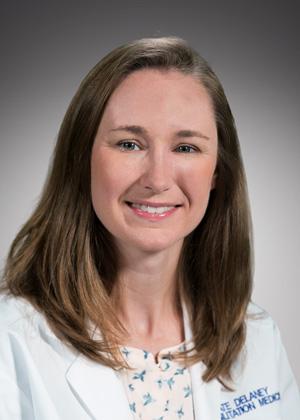
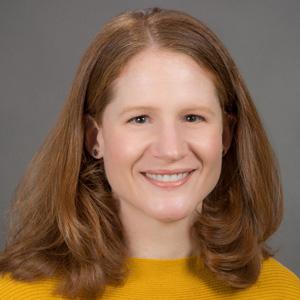
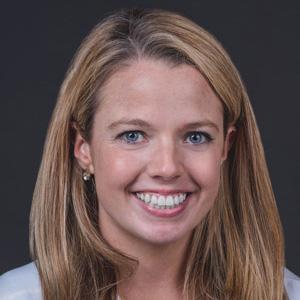
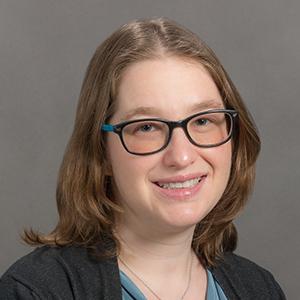
The Department of Rehabilitation Medicine has one of the largest groups of spinal cord injury board‑certified physicians in the United States.
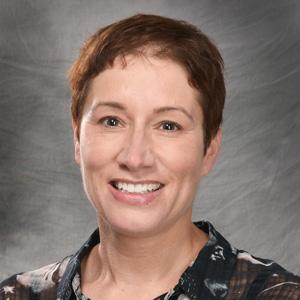
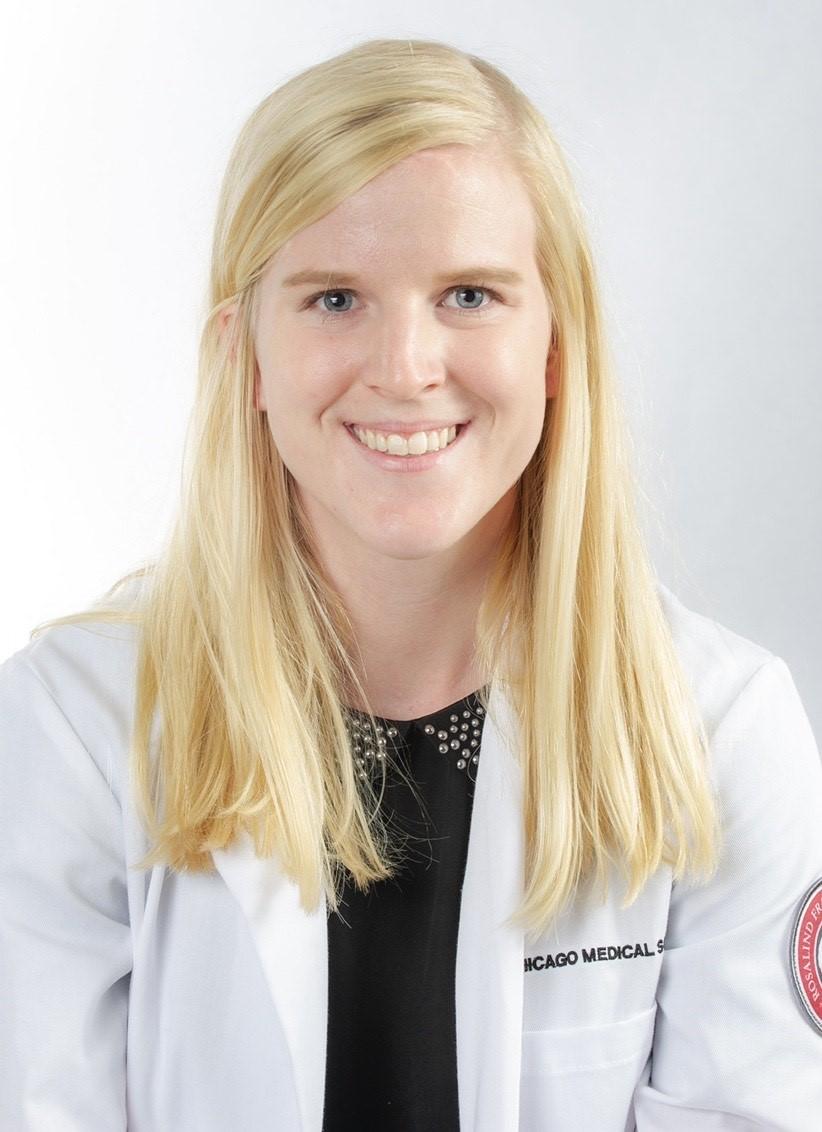
Core SCIM Fellowship faculty include:
Life in Seattle
Visit our Life in Seattle page for more information about living in the Pacific Northwest.
Visit Prospective Residents & Fellows | UW Graduate Medical Education for more information about Seattle and what you can expect from a residency or fellowship at the University of Washington.
Additional fellowship information
Mission
The mission of the University of Washington Spinal Cord Injury Medicine Fellowship is to train physicians to deliver high‑quality, compassionate care for individuals with spinal cord injury. The program supports the UW Medicine mission to improve the health of the public. Fellows learn to provide care throughout the lifespan of injury and help maximize health, independence, productivity, and quality of life. The program values person‑centered care, interdisciplinary collaboration, education, and academic scholarship.
Aims
The program aims to train fellows who will:
- Dedicate a significant portion of their careers to caring for individuals with spinal cord injury
- Provide SCI‑related education to peers, trainees, and communities
- Contribute to community activities and advocacy efforts supporting people with SCI
Fellowship history
- ACGME‑accredited since 1998
- Thirty‑five graduates since 1998
- Approved for two fellows per year
- Fellowship funding provided by UW and the Craig H. Neilsen Foundation
- Neilsen Foundation grant awarded since 2017 and secured through 2027; application submitted for 2027–2030
Rotation schedule
The 12‑month academic year is divided into monthly rotations. The schedule includes:
- Four months of inpatient spinal cord injury (two months at the VA and two months at Harborview Medical Center)
- Four months of outpatient spinal cord injury across the VA, Harborview, the University of Washington, and Seattle Children’s Hospital
- Two months of acute SCI consults at Harborview
- Two months of VA SCI consults and academic or research activities
A continuity clinic occurs every other week at Harborview.
Rotation sites
UW Medical Center – Montlake
Clinical experiences include:
- SCI Clinic
- Spasticity Clinic
- Transitions Clinic
- Neuromuscular Pulmonary Clinic
Patient population includes medically complex SCI, postoperative patients, trauma, and congenital SCI.
Seattle Children’s Hospital
- Spina Bifida Clinic (2–4 days per year)
Harborview Medical Center – Inpatient
Patient population includes younger adults, primarily traumatic but also infectious and non‑traumatic SCI, including patients with psychosocially complex needs. Harborview is a safety net hospital. The inpatient unit has 26 beds. Fellows follow patients with SCI and work with SCI‑board‑certified attending physicians.
Harborview Medical Center – Outpatient
Clinical experiences include:
- Acute SCI consults
- Four or five new injuries per week
- Fellows typically follow eight to 10 patients
- Approximately 125 new cervical SCI cases annually
- SCI clinics (SCI care and spasticity management)
- SCI continuity clinic every other week with Dr. Sankary
VA Puget Sound – Outpatient
Clinical experiences include:
- VA SCI Clinic
- SCI-specific issues, general primary care for Vets with SCI
- ALS Clinic with Rehab Care Service (PMR physicians)
- MS Clinic with Rehab Care Service
- Neuro‑Urology (2–4 days per year)
- Wound Care Clinic (2–4 days per year)
- Consults for MICU, SICU, and general medicine and surgery wards
VA Puget Sound – Inpatient
The 38‑bed inpatient unit provides lifelong care, including:
- Acute and subacute rehabilitation
- Medical and surgical management
- Wound care
- Annual evaluations and therapy‑related admissions
Patient population includes older veterans with complex medical and psychosocial needs, with approximately half traumatic and half non‑traumatic injuries.
Ventilator management experience
VA Puget Sound Health Care System – inpatient
- Three ventilator beds designated for patients with higher respiratory risk
- Fellows typically participate in ventilator weaning for two to three veterans each year
- Diaphragm pacing is not currently offered
Harborview Medical Center
- Typically two inpatient ventilator beds for patients with spinal cord injury
- Fellows are involved in approximately five inpatient ventilator weans per year
Consult experience
- Substantial experience working as a consultant on respiratory issues
- Fellows regularly collaborate with interdisciplinary teams on ventilator management and weaning, particularly through Harborview consult services
Fellow perspective
- Recent fellows report that inpatient rehabilitation ventilator volumes are similar to those at many programs, apart from highly specialized standalone ventilator units
- Fellows note particularly strong exposure through Harborview consults
- Faculty expertise and clinical infrastructure support hands‑on learning in ventilator management
- One recent fellow reported managing more than 20 ventilated patients across inpatient and consult services during the fellowship
Injections and intrathecal baclofen
Fellows participate in:
- Hands-on ITB and injections at UW Medical Center and Harborview
- A small number of Veterans also have ITB
- Approximately 50 procedures per year (volume varies with fellow interest)
- Ultrasound‑guided procedures and ultrasound workshops with PM&R residents
Ultrasound
Ultrasound is available at both the VA and Harborview. The program continues to explore ways to incorporate ultrasound into clinical care and fellow education.
Didactics
Weekly Friday noontime didactics are delivered routinely by clinicians. Didactics are directed at level of SCIM Fellows; PMR residents and interdisciplinary colleagues regularly join session. Didactics often includes a journal article review related to the topic.
Didactics are delivered quarterly by SCIM fellow. These sessions are directed at the level of PMR residents. They offer the opportunity to advance presentation skills and have a “tried and true” presentation for job interviews.
Example SCI didactics lecture schedule
January
- January 7: Spinal cord tumors
- January 14: Inflammation in spinal cord injury
- January 21: Driver’s rehabilitation
- January 28: Resident lecture
February
- February 4: Stem cell therapies
- February 11: Acute spinal cord injury evaluation
- February 18: Acid–base disorders
- February 25: Resident lecture
March
- March 4: Musculoskeletal ultrasound in spinal cord injury practice
- March 11: Multiple sclerosis
- March 18: Surgical management of syrinx, hydrocephalus, and tethered spinal cord
- March 25: Resident lecture
April
- April 1: Imaging of the spine: post‑surgical changes
- April 8: Hereditary and congenital conditions
- April 15: Polio and post‑polio syndrome
- April 22: Traumatic brain injury and spinal cord injury
- April 29: Pregnancy after spinal cord injury
May
- May 6: Surgical management of spinal cord injury bowel and bladder
- May 13: Obstructive sleep apnea equipment and CPAP
- May 20: Robotics or electrical stimulation
- May 27: Resident lecture
Additional didactics
- Weekly SCI Urology Rounds
- Regular PT and OT “recheck” sessions
- Monthly SCI quality improvement meeting
- Opportunities to participate in UW GME Quality Improvement and Patient Safety and UW GME Diversity, Inclusion, and Equity courses
Teaching
- SCI Medicine fellow didactics
- PM&R resident neurorehabilitation course
- Medical student small‑group discussions focused on spinal cord injury
- Community education through the Northwest Spinal Cord Injury Forum
Quality improvement and research projects
- Electronic International Standards for Neurological Classification of Spinal Cord Injury (E‑ISNCSCI) exam
- Inpatient and outpatient SCI satisfaction surveys
- Virtual annual evaluation satisfaction survey
- Colonoscopy preparation in veterans with spinal cord injury
- Subacute versus acute rehabilitation in veterans with spinal cord injury
- Rehospitalization patterns in veterans with spinal cord injury
Advocacy and professional engagement
- Opportunities for state‑level policy advocacy through the Washington State Medical Association (membership is free for PM&R residents and fellows)
- Encouragement and support to participate in national PM&R and spinal cord injury organizations, including the American Academy of Physical Medicine and Rehabilitation and the Academy of Spinal Cord Injury Professionals
Self‑directed learning
- Independent study and preparation for board certification examinations
Publications and presentations
Fellows and faculty regularly publish and present on SCI‑related topics. Examples include:
- Subacute vs. acute rehabilitation in veterans with SCI
- Lower limb loss in SCI
- Transition from manual to power wheelchairs
- Outcomes of flap surgery in SCI
- COVID‑19 vaccine breakthrough cases in SCI
- Workforce projections for SCI physicians
- Research on ventilatory failure, syringomyelia, and more
Diversity of academic activities
SCI faculty members have produced more than 100 peer‑reviewed publications (many by the prolific Dr. Stephen Burns) and are involved in:
- Fellow and residency education
- VA and UW Medicine committee work
- National leadership roles in SCI and PM&R organizations
- ABPMR and ACGME committees and examinations
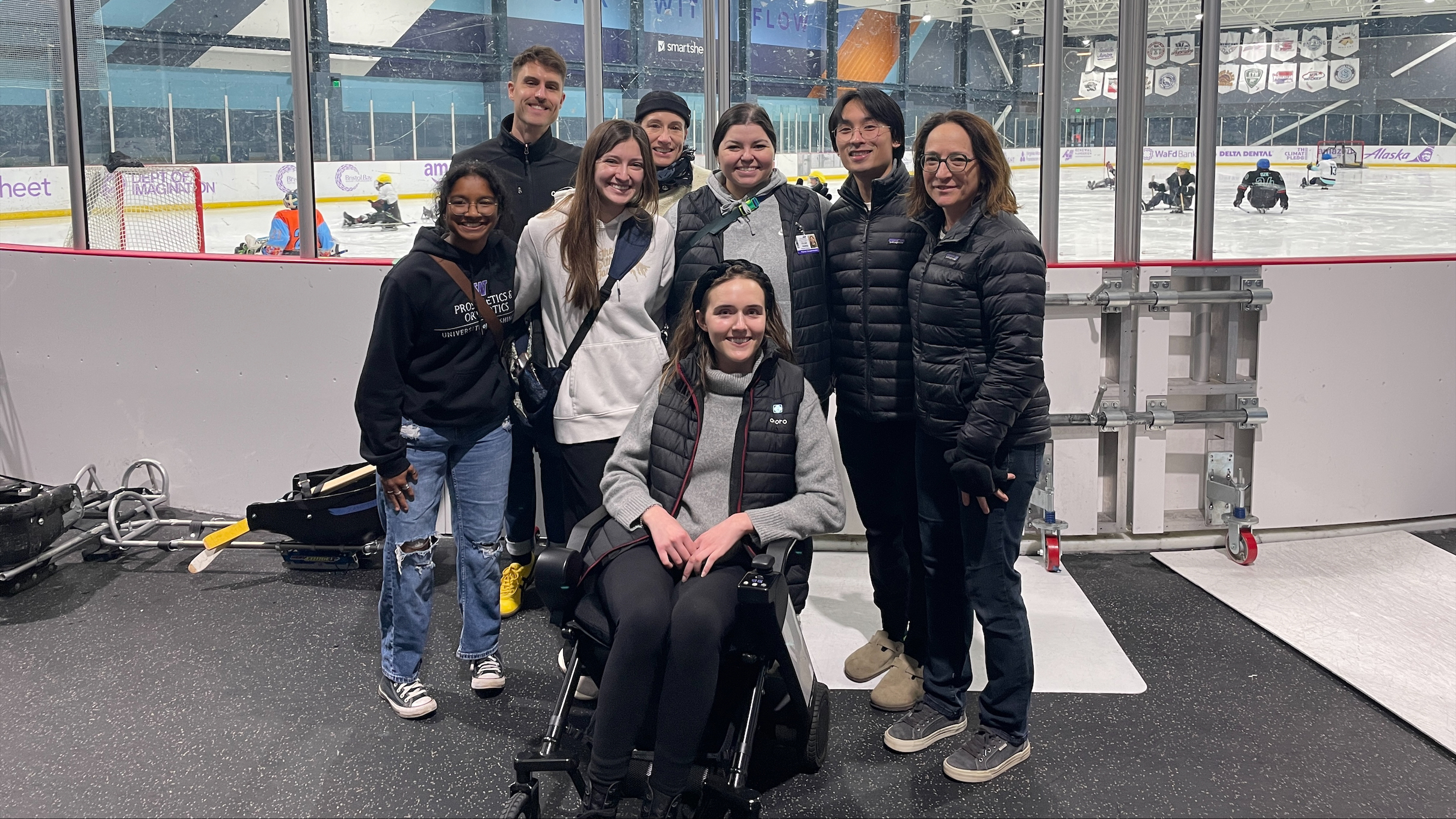
Fellows are exposed to a wide range of adaptive sports and recreational opportunities through clinical training sites and community partnerships.
VA Puget Sound Health Care System
- Strong involvement in adaptive sports programming for veterans with spinal cord injury
- Access to adaptive equipment, including handcycles, sports chairs, and ski seating systems
- On‑site pool therapy
- Recreation Therapy–led adaptive curling clinics
UW Rehabilitation Medicine and community partnerships
- Partnership with Seattle Adaptive Sports, offering activities such as sled hockey, wheelchair basketball, power soccer, and goalball
Additional Seattle‑area adaptive sports opportunities
- Seattle Slam wheelchair rugby team
- Footloose Sailing
- Outdoors for All (outdoorsforall.org), which provides year‑round adaptive outdoor recreation
- Regular formal and informal meetings with SCI Medicine Fellowship Director
- Formal mentor assigned upon request
- Informal guidance from all SCI attending staff
- From former fellow: “Personally had multiple UW attendings reach out on my behalf, gave me connections”
- Our large nationwide network of UW fellowship graduates is helpful for academic and career opportunities!
- Twenty weekday vacation days
- Seventeen sick days
- Ten professional leave days for interviews, board exams, and conferences
- One personal day per calendar year
- PGY‑5 salary: Approximately $99,000
- Research, training, and exam expenses: Approximately $4,300
- Travel support: Approximately $7,500
Fellows are subject to the ABPMR limit of 30 workdays away from training, not including conference days.
Learn more about the UW GME and Resident and Fellow Physician Union at their website.
Strengths
- Experience across four major institutions
- Large number of SCI‑board‑certified faculty
- Flexible schedule to support individual interests
- Robust didactics and interdisciplinary learning
- Collaboration with other fellows in brain injury, pediatric rehabilitation, amputee rehabilitation, cancer rehabilitation, sports medicine, and trainees in physical therapy, occupational therapy, rehabilitation psychology, and prosthetics and orthotics.
Potential limitations
- Lower procedural volume for injections and baclofen pump management
- Fewer pediatric SCI opportunities
- Some facilities are older and have limited space
- Fewer ventilator management opportunities compared to dedicated ventilator units
Graduates work across the United States and Canada in academic centers, VA systems, safety‑net hospitals, and community medical centers. Most graduates include SCI clinical care in their practice, and many remain in academic medicine.
Our graduates have worked at:
- Johns Hopkins Hospital
- Marianjoy Rehabilitation Hospital
- Stanford University School of Medicine and affiliated institutions
- Stanford University School of Medicine
- Santa Clara Valley Medical Center
- VA Palo Alto Health Care System
- Thomas Jefferson University / Magee Rehabilitation
- University of Alberta
- University of Pittsburgh
- University of Texas Southwestern Medical Center and affiliated VA system
- University of Texas Southwestern Medical Center
- VA North Texas Health Care System
- UTHealth Houston and affiliated clinical partner
- UTHealth Houston
- TIRR Memorial Hermann
- VA Denver Health Care System
- VA Memphis Health Care System / Vanderbilt University
- VA Minneapolis Health Care System
- VA San Diego Healthcare System
- VA St. Louis Health Care System
- UW Medicine and Puget Sound region
- UW Medicine
- VA Puget Sound Health Care System (Seattle region)
- Greater Seattle community health care organizations:
- Swedish Medical Center
- Providence Physiatry Everett
- Wenatchee Valley Medical Center
Board certification
Most fellows take the ABPMR spinal cord injury medicine subspecialty exam within two years of completing training. All eligible fellows have successfully passed the exam.
Program leadership does not anticipate major changes to the fellowship structure. Possible new outpatient opportunities include:
- SCI cancer rehabilitation
- Spinal cord stimulation (Arc‑Ex)
- Peripheral nerve clinic
- Multiple sclerosis clinic at UW Northwest
The fellowship is also exploring shared learning opportunities with other UW rehabilitation fellowship programs.