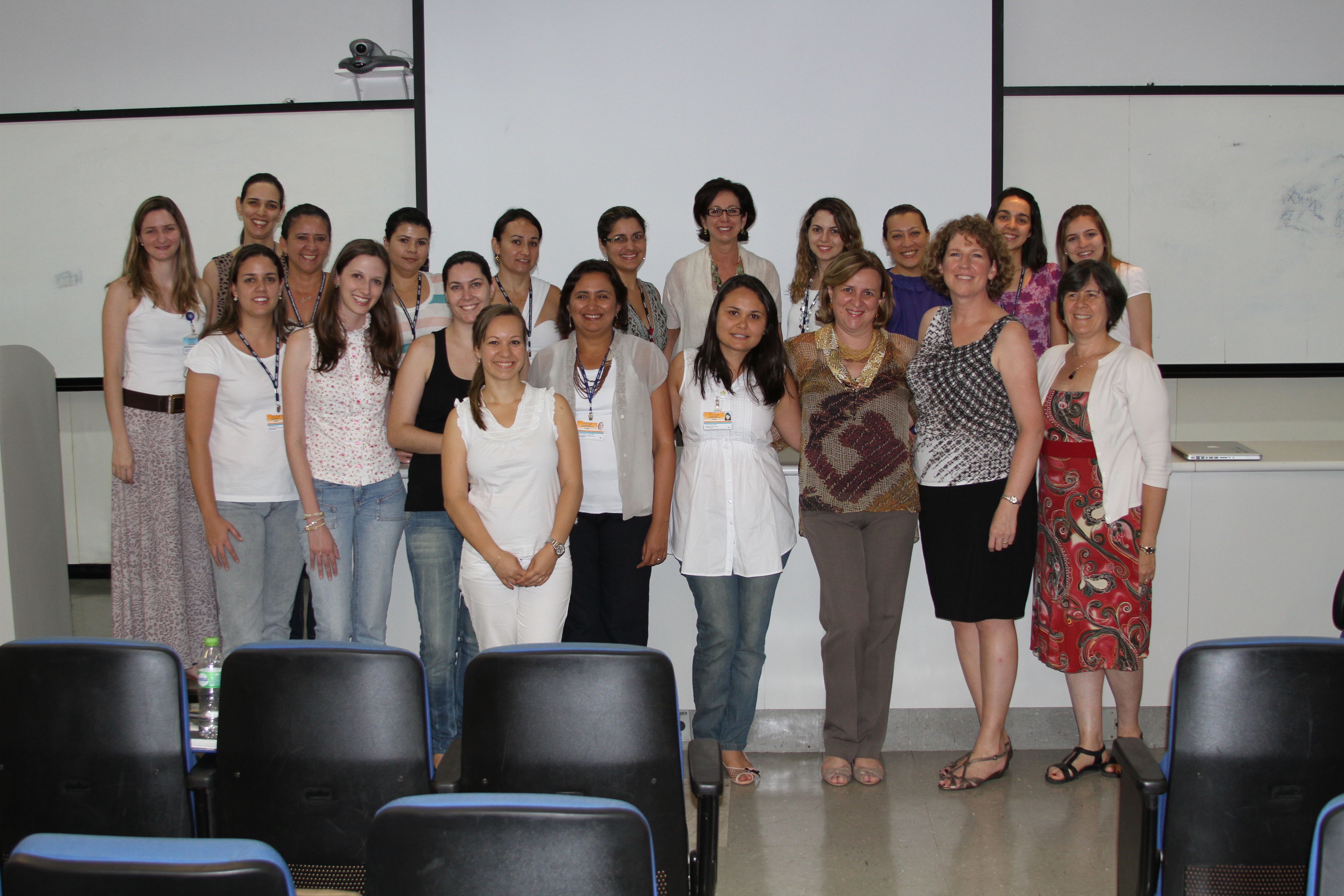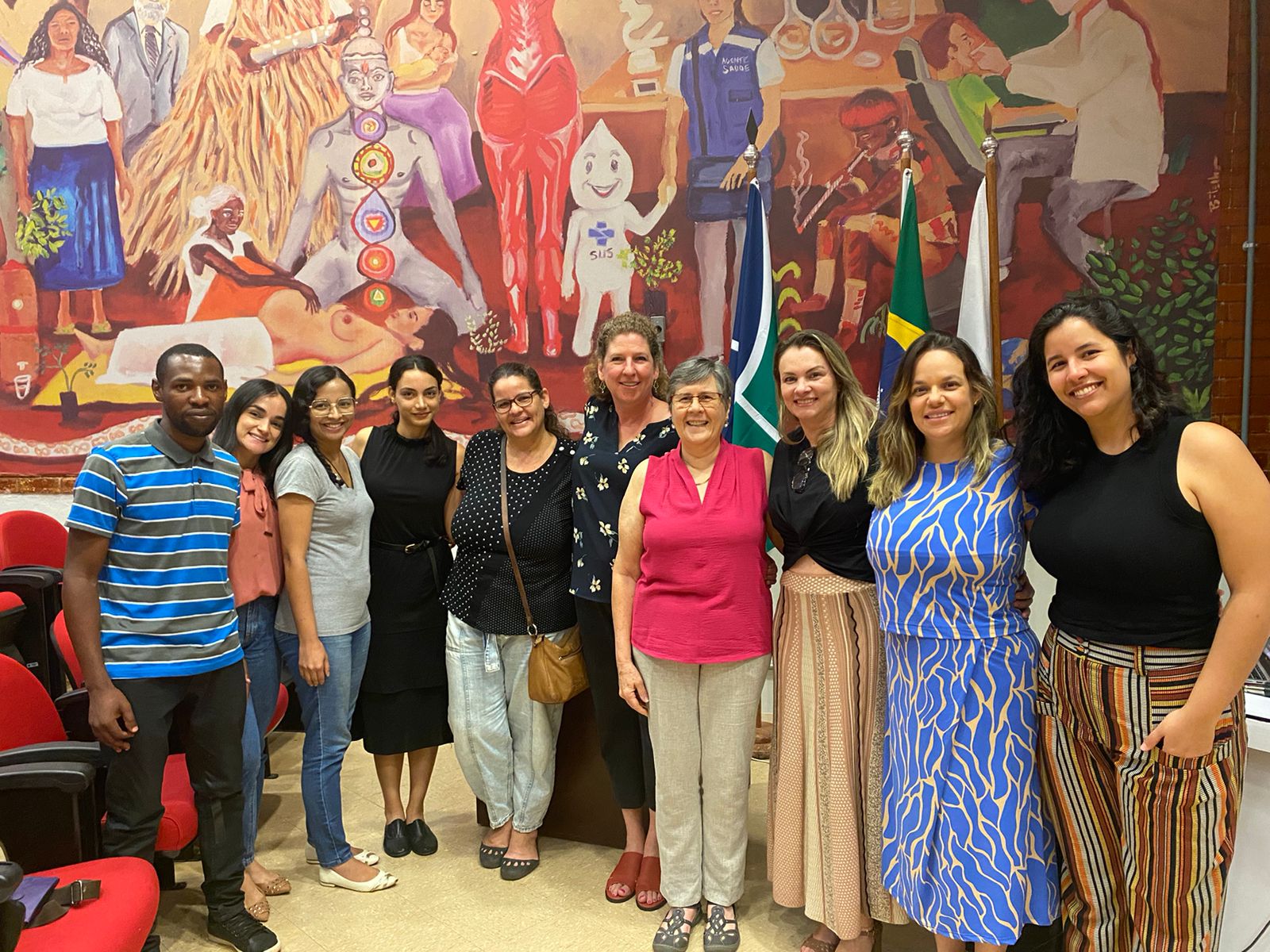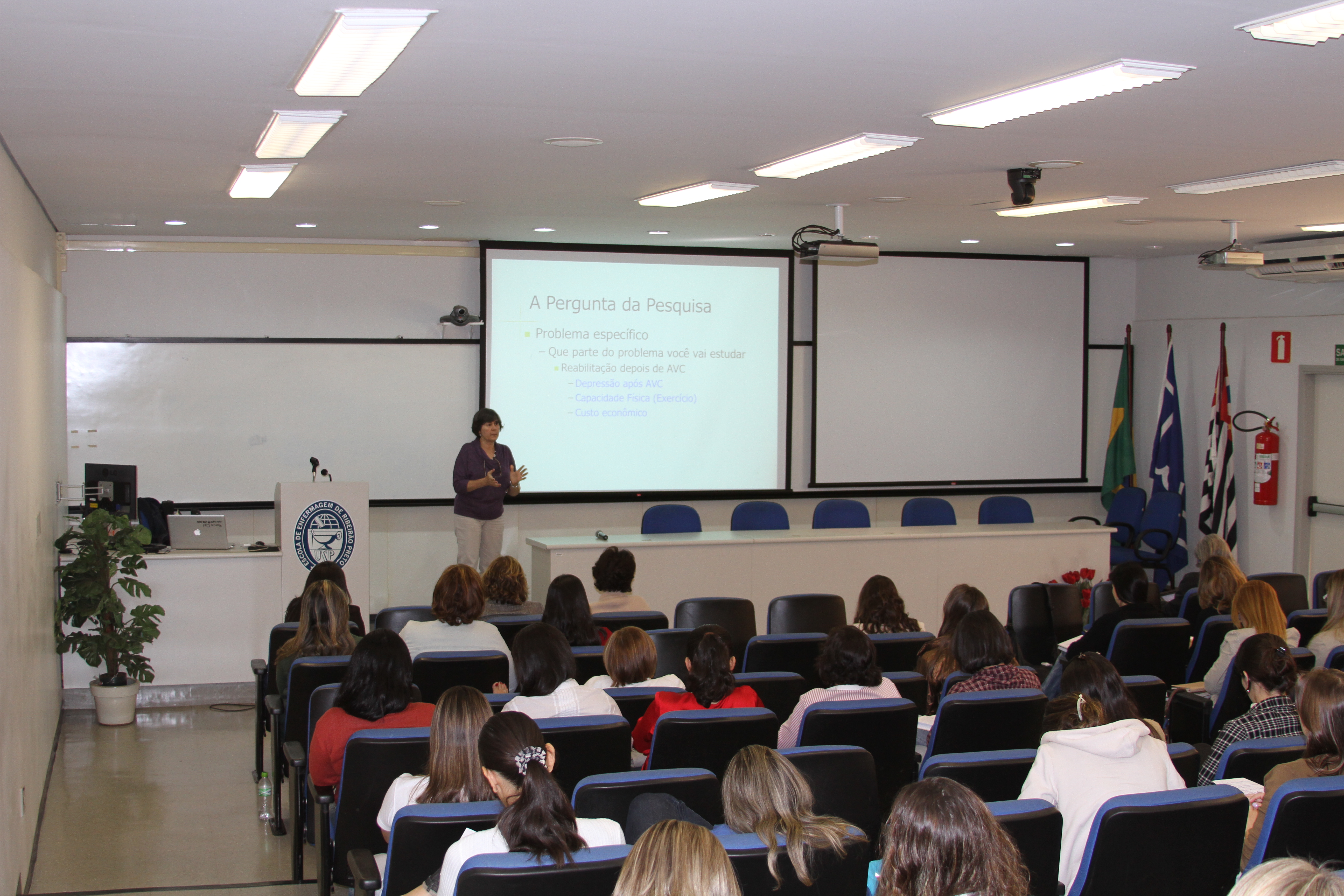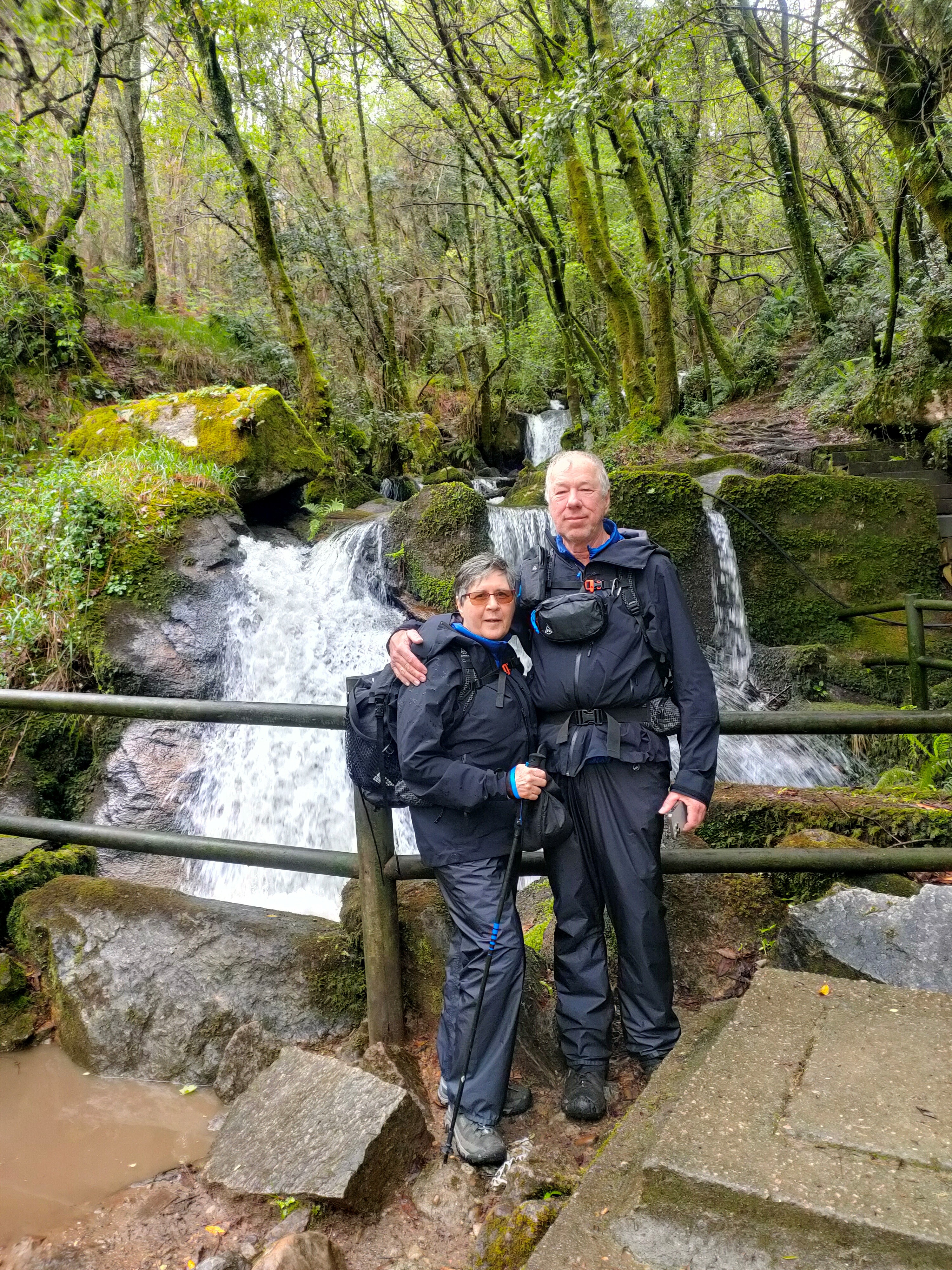

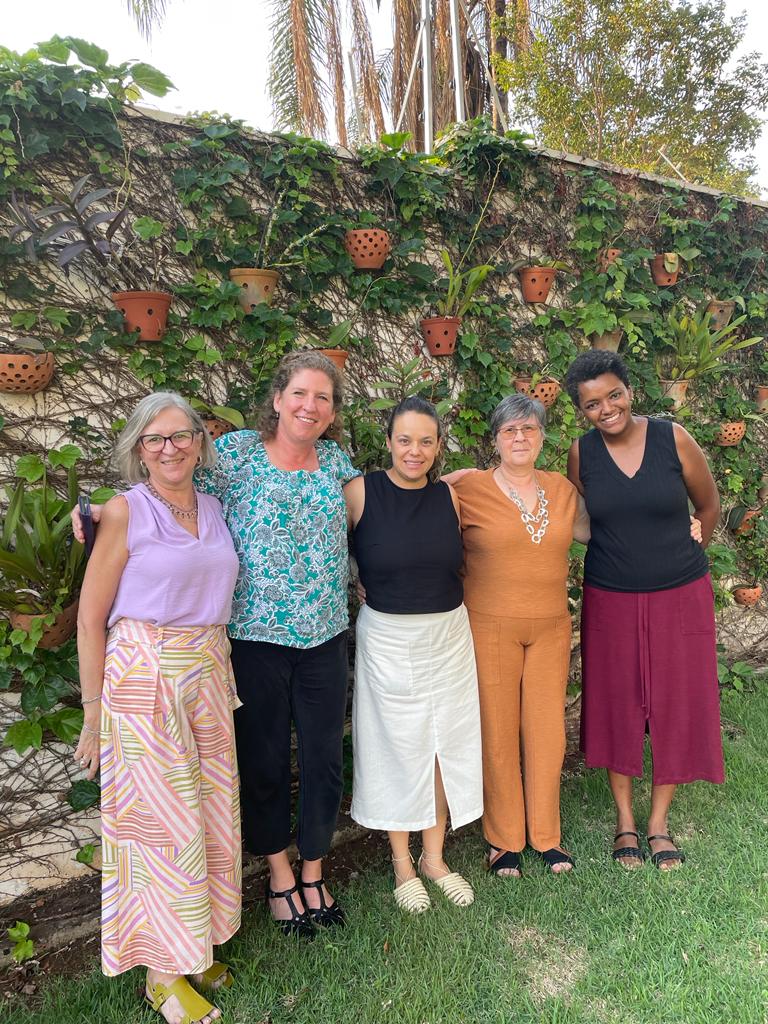
Last year, Marcia Ciol walked 170 miles from Portugal to Spain with her husband just because she felt like it. That’s not the only significant achievement this research professor emeritus has faced in her life. To explore and gain insight into Marcia Ciol and her immense grit, we should go back to 1979 in Brazil, where she earned her undergraduate degree in statistics. Dr. Ciol found a liking for statistics early in her career. However, life has an interesting way of navigating people on paths one wouldn’t even imagine.
Having completed her master’s degree, Dr. Ciol looked forward to being employed as a statistician at an organization in Brazil. However, she would have been the only qualified woman statistician on the team, and her employer reneged on the job offer. The firm just wasn’t ready for her. She decided to continue in academia and pursued a master’s degree in statistics. She joined a university in south Brazil to work for a couple of years, but that wasn’t enough for her. With guidance from her mentor, Dr. Ciol moved to Seattle for her PhD in Biostatistics. Biostatistics is a branch of statistics that deals with data relating to living organisms. A biostatistician like Dr. Ciol uses statistical methods and techniques to improve the health of people and communities.
In 1989, Dr. Ciol joined and became a part of the University of Washington as a graduate teaching assistant, beginning a relationship lasting almost 40 years. This evolved into a Research Scientist position for 10 years at the Department of Health Services, and the last 25 years as Research Faculty at the Rehabilitation Medicine. Professor Emerita Marcia Ciol, PhD, biostatistician and a valuable member of the Department of Rehabilitation for almost 40 years, is set to retire completely from academia. With an MS in Statistics from the University of Campinas, São Paulo, Brazil, and MS and PhD in Biostatistics from the University of Washington, Dr. Ciol is a formidable force. Her colleagues say she has never been afraid to voice her opinion for the good of the work.
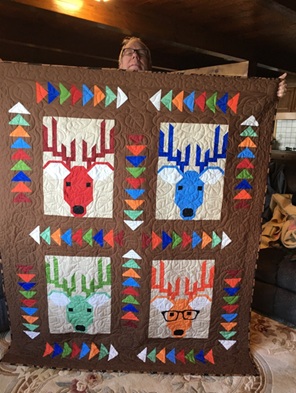
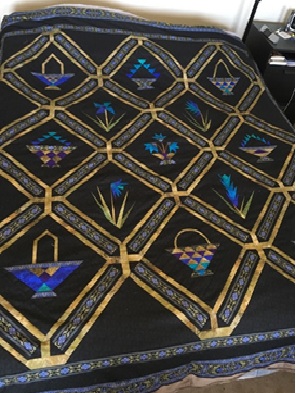
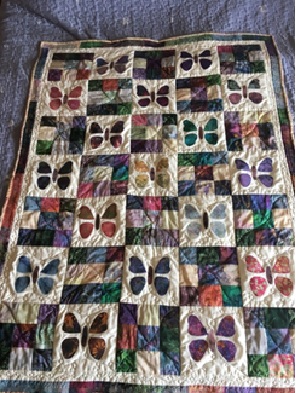
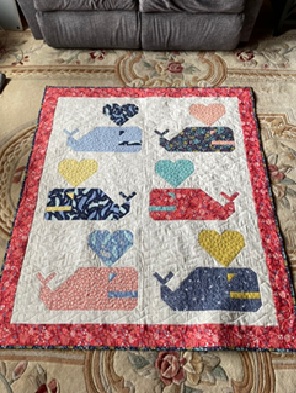
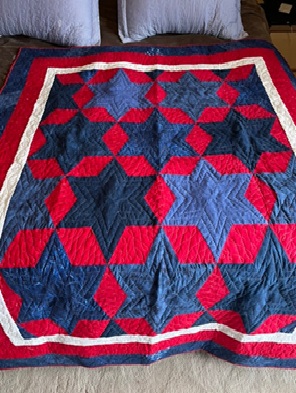
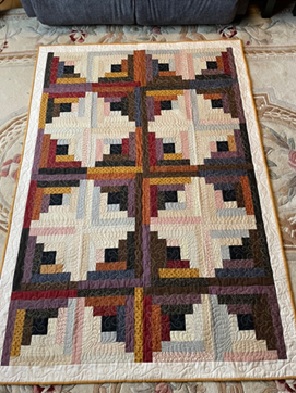
“When I started with the Department of Rehabilitation, which is so diverse, I had to prove to the team that I was not there just to analyze data based on what someone thought they wanted. So, for the first few years, I had to work hard to convince them that I should be part of the grants from the beginning,” said Dr. Ciol, who recently found a penchant for quilting, which she does for family, friends, and charity.
For Dr. Ciol, the team was as important as the work itself. She shared genuine camaraderie and friendship with many colleagues, including professors Jeanne Hoffman and Mark Jensen and professors emeritae Marjorie Anderson and Anne Shumway-Cook. Marjorie Anderson, PhD, was professor emerita of Rehabilitation Medicine and Physiology and Biophysics and served twice as acting chair before passing in 2021. Anne Shumway-Cook, PhD, is a professor emerita of the Division of Physical Therapy.
“She was one of those people who was just so committed to work and to people at the same time, always doing the right thing,” said Jeanne Hoffman, one of her colleagues and close friends who worked at the department and in Brazil with Marcia.
Dr. Ciol always welcomed differences in opinion regarding work because she wanted the research to improve.
“When I started in 2000, the Department of Rehabilitation was increasing its research and figuring out how to incorporate a statistician as part of grant proposals,” added Dr. Ciol.
Although Dr. Ciol has contributed to 43 research grants at UW between 2000 and 2023, reviewed manuscripts for 17 journals, served as a reviewer for four grant programs, held three special service roles at UW, taken on two editorial positions in journals, and participated on numerous student advisory committees, when asked about her most significant and proudest accomplishments, she emphasized that building and maintaining trust within her team was what mattered most to her. For her, there was no replacing hard work. From working within and sometimes outside the department, such as the nursing school, Dr. Ciol’s colleagues confidently shared that she always worked long hours to finish the proposed work on time.
“Marcia always wanted to be there right from the beginning when the questions were developed. She wanted to ensure that the methods were accurate and that the data collected were analyzed to answer the right questions,” adds Dr. Hoffman.
Her colleagues say Dr. Ciol can speak her mind and argue effectively for any and all changes she thinks are needed to improve a project, from the original design to the final edits on paper. As a result, any project she was involved in was better.
“I appreciated the care and attention to detail that Marcia brought to all of her work. I will also miss the opportunity to work with someone I know well, having worked closely with her for over 20 years. She can always be counted on to pull her weight and more in any project,” adds Dr. Jensen.
Apart from work, Dr. Ciol’s colleagues consider her a kind, fun-loving person who enjoys and cooks fantastic food. She is remembered as someone curious about everything, striving to learn new things, and always enthusiastic and excited.
“Marcia is a lovely and wonderful person who, before the pandemic, would always stop by to check in on things and ask how we are all doing. We would have long conversations sometimes about work, and other times personal,” adds Dr. Hoffman.
For her teammates, Dr. Ciol is a trusted (and trustworthy) colleague, smart, hardworking, and communicative. In short, an ideal person to have on your team. Dr. Ciol’s colleagues reassures that she will be dearly missed in the department, whether for her work experience, thoughtfulness, or just the pleasure of her company.
“I wish Marcia the best for an enjoyable and adventure-filled (or at least, as adventurous as she would like!) retirement,” added Dr. Jensen.