

Welcome!
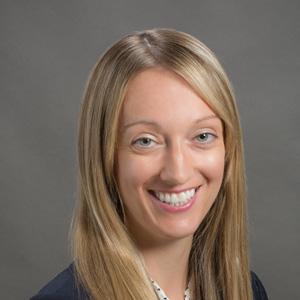
We are so glad you are here, with an interest in pediatric rehabilitation medicine and learning more about our program. Our Pediatric Rehabilitation Medicine Fellowship at University of Washington/Seattle Children’s is an ACGME accredited, 2 year clinical fellowship. At the completion of our program, fellows are eligible to sit for the Pediatric Rehabilitation Board exam. We serve a wide range of patients from the Pacific Northwest (serving 4 states), allowing rich opportunities for learning. We are deeply committed to ensuring positive educational and clinical experiences, whilst getting to enjoy the beauty the Pacific Northwest has to offer. At the conclusion of fellowship, our fellows are confident and competent to take care of any child, in any clinical setting, and exemplify high quality leadership skills and compassion while doing so. Thank you for being here to learn more about our program!
Jaclyn Omura, MD
Program Mission
We strive to cultivate an unparalleled training experience for our Pediatric Rehabilitation Medicine physician leaders of tomorrow.
Program Aims
We train future PRM leaders to be highly skilled, competent clinicians and educators who:
- Have the breadth and depth of knowledge to care for any child with congenital or acquired disabilities across the spectrum of age
- Are competent in the broad spectrum of tone management options
- Have the skills necessary to educate future medical and allied health professionals
Seattle Children’s Hospital is a 407-bed tertiary care hospital including a 12 bed CARF accredited rehabilitation unit serving a 4-state region including Washington, Alaska, Montana, and Idaho. The fellow, with support from an attending physician, will manage the care of children on the inpatient rehabilitation unit with a focus on the patient’s medical and rehabilitation needs, and will lead the interdisciplinary rehabilitation team. The fellow will also work with and learn from eight board certified PRM physicians to provide outpatient care for children and adolescents with acquired and congenital disabilities and injuries including cerebral palsy, neuromuscular diseases, spina bifida, amputations, arthrogryposis, spinal cord injury, brain injury, brain tumors, and sports related injuries. The fellow will participate in many regularly scheduled interdisciplinary outpatient clinics during their training. Rehabilitation Medicine offers outpatient clinics to treat many conditions (see more at: Rehabilitation Medicine – Seattle Children’s). Clinics are held in Washington and outreach clinics happen 4-6 times a year in Alaska.
The fellow will complete a scholarly project under mentoring from a Scholarship Oversight Committee with faculty from Seattle Children’s Hospital or Rehabilitation Medicine at the University of Washington.
Procedures offered:
- Intrathecal baclofen pump management
- Botox injections, guidance used including: anatomic, stim, ultrasound
- Chemoneurolysis, guidance used including: stim and ultrasound
- Diagnostic MSK and neuromuscular ultrasound
- Selective dorsal rhizotomy neuromonitoring
Stipend & Benefits
This fellowship offers the stipend and benefit package updated annually by UW Graduate Medical Education
Apply
Individuals may apply for the Pediatric Rehabilitation Medicine Fellowship by submitting the following to ERAS (Electronic Residency Application System):
- Curriculum vitae
- Three letters of recommendation including one from your residency program director
- Board Scores (USMLE, COMLEX)
- Personal statement that addresses the following:
- Explain your primary interest in Physical Medicine & Rehabilitation.
- Why have you chosen UW as a potential for fellowship training?
- What is your hopeful practice scenario in three to five years?
Application timeline:
All applications should be submitted through ERAS. We will begin reviewing applications in July, and interviews will take place September-October. The deadline for applying is August 31.
The University of Washington is committed to fostering an inclusive, respectful and welcoming community for all. As an equal opportunity employer, the University considers applicants for employment without regard to race, color, creed, religion, national origin, citizenship, sex, pregnancy, age, marital status, sexual orientation, gender identity or expression, genetic information, disability, or veteran status consistent with UW Executive Order No. 81.
Selection criteria
Applicants for the Pediatric Rehabilitation Medicine Fellowship must be in their last year of residency or completed their residency in Physical Medicine & Rehabilitation. The Pediatric Rehabilitation Medicine fellow’s salary and benefits are commensurate with the PGY-5 salary of the University of Washington. Benefits include three weeks' vacation and extra days for CME activities and national presentations.
Information current as of 8/28/2026
Position Identification: Fellow
Position Summary: The Pediatric Rehabilitation Medicine Fellow provides rehabilitation care for pediatric patients with congenital and acquired disabilities across inpatient and outpatient settings. The fellow participates in individual and interdisciplinary evaluation, diagnosis, and management of functional impairments and complex rehabilitation needs. Additional responsibilities include procedural training, care coordination, scholarly activity, and participation in educational activities within the fellowship program and University of Washington School of Medicine.
For the purpose of this document, the term “Resident” includes medical and dental residents and fellows, including those in ACGME, CODA and non-ACGME accredited programs.
General Overview of the Resident Role
A resident’s responsibilities include patient care responsibilities within the scope of their clinical privileges commensurate with level of training and other responsibilities required of all members of the medical staff. Under the supervision of attendings, general responsibilities of the resident may include:
- Initial and ongoing assessment of patients’ medical, physical and psychosocial status
- Performing history and physical examination
- Developing assessment and treatment plan
- Performing rounds
- Recording documentation, including progress notes, admission notes, procedure notes and discharge summaries
- Ordering tests, examinations, medications and therapies
- Arranging for discharge, referral and after care.
- Providing patient education and counseling about health status, test results, disease processes and transition of care planning
- Performing procedures
- Assisting in surgery
- Teaching and evaluating junior learners, such as medical students
UW GME Expectations for Professional Behavior
- All residents must comply with the UW Medicine Policy on Professional Conduct and the UW Medicine Compliance Code of Conduct
- ACGME Competencies in Professionalism, including fitness for duty (See ACGME Common Program Requirements)
- All residents must comply with GME Policieshttps://sites.uw.edu/uwgme/policies/%5bLINK, including the Resident and Fellow Position Appointment Agreement (RFPA)
Essential Functions
Essential functions are the fundamental job duties of the position that cannot be eliminated or substantially modified without changing the nature of the position.
A job function may be considered essential for the following reasons:
- The reason the position exists is to perform that function
- Resident educational requirements and patient care responsibilities
- A limited number of available residents can perform that function
- Varies by program, rotation, year, risk pools, etc.
- The function may be highly specialized so that the trainee in the position is hired for their expertise or ability to perform the particular function
- Cannot easily hire more trainees, especially of a specific R level
- The percentage of time spent on a function does not determine whether or not it is essential.
Essential functions for GME residents must include consideration of:
- ACGME program requirements
- Specialty board requirements
- UW program requirements
- Unique to each UW training program and must consider:
- Complexity of rotations/service requirements
- Size of program
- Structure and depth of risk pools
- Please refer to the program’s Clinical Coverage Policy
- Inclusive of the hospital system requirements:
- Rotations dependent on residents’ service for patient care
- Coverage options available
A resident must perform the position’s essential job functions with or without an approved reasonable accommodation. Reasonable accommodation means modifying or adjusting practices, procedures, policies, job duties, or the work or application environment so that a qualified individual with a disability can still perform a position’s essential functions. Approved reasonable accommodations are determined via an interactive process involving the resident, DSO/HR/GME and the program.
Essential functions ensure the safe and smooth delivery of education and patient care and are identified in alignment with program aims to facilitate trainee readiness for independent practice across an appropriate range of clinical settings for that specialty. Transparent documentation of a program’s essential functions is also an important resource for applicants evaluating the training program during recruitment.
Essential Program Administrative Functions
Onboarding
The Resident must:
- comply with all program and institutional tasks required for credentialing and onboarding by the requested deadlines
Program Tasks and Documentation
The Resident must:
- participate in all requests for schedule preferences, requests for absence or schedule changes, or requests for clinical coverage on the requested timelines or deadlines.
- complete in a timely manner all evaluations requested for medical students, peer residents, faculty or other members of the team
- complete MedHub clinical and educational hour logs
- complete case or procedure logs
- complete the annual ACGME Resident Survey
- complete the program’s annual confidential internal survey
- complete required examination preparation and/or testing requirements, to include USMLE or COMLEX Step 3, in-training examinations and program-specific guidelines for national board certification
- attendance at all required program meetings, including semiannual meetings, mentorship meetings etc.
Essential Program Core Educational Functions
Didactics
The Resident must:
- Comply with all standards for attendance at didactics or other core educational activities
- Adhere to the preferred mode of attendance (in-person, virtual, hybrid)
Scholarship
The Resident must:
- Comply with all program or specialty requirements for research or scholarship, quality improvement, national or regional conference presentation, publication or scholarly writing or teaching and presentations internal to the program (e.g. journal club, didactics, case conference, M&M, etc.)
Essential Patient Care Functions
Presence and preparedness
The Resident must:
- present to work as physically, mentally and emotionally fit for duty
- arrive at the patient care setting on schedule
- arrive at work in attire appropriate for the professional and safe delivery of patient care
- meet expectations for chart review or pre-rounding
- satisfy expectations that precede sign-out and/or departure from the clinical setting, including an appropriate handoff and follow up on all patient assessments/data/studies that will alter care in the near term.
Administrative
The Resident must:
- complete patient health record documentation on the schedule prescribed by the program or medical center. (Examples include but are not limited to progress notes/visit summaries, discharge summaries, operative or procedure notes, perioperative records)
- comply with expectations for EHR inbox management, including timely responses to messages from patients, medical staff and tracking and patient follow up of expected results
Patient Care Communication
The Resident must:
- respond in a timely manner to pages, phone calls, and Epic Secure Chat
- remain within the program-prescribed geographic range while on call or eligible for coverage
Patient Care Volumes
The Resident must:
- work toward (with supervision) or meet benchmarks for patient care volumes in all clinical settings
- appropriately request and utilize supervision
- work toward or ultimately meet procedure certification standards
Consultation
The Resident must:
- appropriately respond to, triage, and staff consultations in a timely manner
- document findings and recommendations in a timely manner
- communicate with the requesting service directly (e.g. in-person, phone) in advance of and following the assessment
- ensure that consultations are staffed and finalized with a faculty member in a timely manner
- ensure handoff tool is updated in a timely manner for effective continuity of care
Essential Shift and Schedule Functions
Settings
- complete assigned shifts in settings deemed essential by the program, such as inpatient units, Harborview consults, and outpatient specialty clinics
Shift length and timing
The Resident must:
- complete shifts of all lengths deemed essential by the program, which may include daytime, nights, weekends, and holidays
- Shifts must not exceed ACGME limits of up to 28 hours per shift, and up to 80 hours per week averaged over a 4 week period
- where appropriate, comply with designated break lengths (to meet personal needs and not impact patient care)
Call Responsibilities
The Resident must:
- complete assigned shifts of home call, as deemed essential by the program
- 8 weeks of overnight home call in both R5 and R6 year
- remain within the prescribed geographic range while on call or eligible for coverage
Essential Cognitive Functions
- Analyze, synthesize, and apply knowledge from clinical experience, readings, and didactic learning to support clinical decision-making.
- Apply clinical reasoning effectively in situations involving uncertainty and changing
- conditions.
- Develop and demonstrate sound clinical judgment in diagnosis, treatment, and prevention
- of illness.
- Identify, prioritize, and manage patient care and professional responsibilities to support
- safe, timely, and effective outcomes.
- Seek guidance and incorporate input from others as appropriate to support patient care
- and professional development.
- Reflect on performance and integrate feedback to support continuous improvement.
- Adapt to evolving clinical environments and changing patient care needs.
- Demonstrate reliability through consistent participation in responsibilities and timely
- completion of assigned tasks.
- Provide guidance, support, and teaching to junior learners, including medical students.
Essential Communication Functions
(including verbal and written)
- Communicate clinical information clearly and in a patient-centered manner to support understanding and shared decision-making.
- Gather, interpret, and exchange information effectively with patients, families, and members of the healthcare team.
- Facilitate safe and effective transitions of care, including handoffs, discharges, and referrals.
- Collaborate effectively with members of the healthcare team across roles and settings to support coordinated, high-quality care.
- Engage respectfully with individuals from diverse social, cultural, and lived experiences.
Essential physical functions
(including senses, stances and mobility, manipulation and technical skills)
- Perform clinical procedures and technical aspects of patient care competently, to support safe and effective diagnosis and treatment.
- Perform diagnostic and therapeutic procedures while maintaining proper positioning to minimize risk of injury to the patient, other team members, and proceduralist
- Conduct patient assessments to gather and interpret clinical information, supporting comprehensive medical and psychosocial evaluation.
- Sustain performance of clinical responsibilities over scheduled shifts to ensure continuity and quality of patient care.
Statement Of Nondiscrimination
The University of Washington prohibits discrimination, harassment and sexual misconduct in any education program or activity that it operates. Individuals may report concerns, make complaints, or direct inquiries to the Civil Rights Compliance Office View the Statement of Nondiscrimination.
Key Principles for ADA-Compliant Language:
- Focus on results, not methods
- Essential function is a completed task, not how that task is completed
More Inclusive Term | Example of Physical Demand |
Move/traverse | Walk, run |
Ascend/descend | Climb |
Transport | Carry |
Relocate | Lift |
Stationary position | Sit, stand |
Position, detect, operate | Feel, handle |
Maneuver | Pull, push |
Attain | Reach |
Retrieve from ground level | Squat |
Repetitive movement | Performing a task repeatedly |
Communicate | Speak, talk, hear |
Communicate in written language | Write |
Input data | Use keyboard |
Position self (to move) | Crouching, stooping, crawling |
Work atop | Balance |
Determine, identify, assess, recognize | See |
Assess | Hear |
Review | Read |
Adhere | Remember |
Apply | Think |
This document reflects requirements, established practices, policies, procedures, and resources as of the date of publication; however, parts of this document may be updated from time to time in accordance with changes in the law and applicable requirements, established practices, policies, procedures, and resources. Continued participation by a resident in the program will demonstrate agreement by the resident to adhere to the updates. The program will communicate such change through direct verbal and written communication.
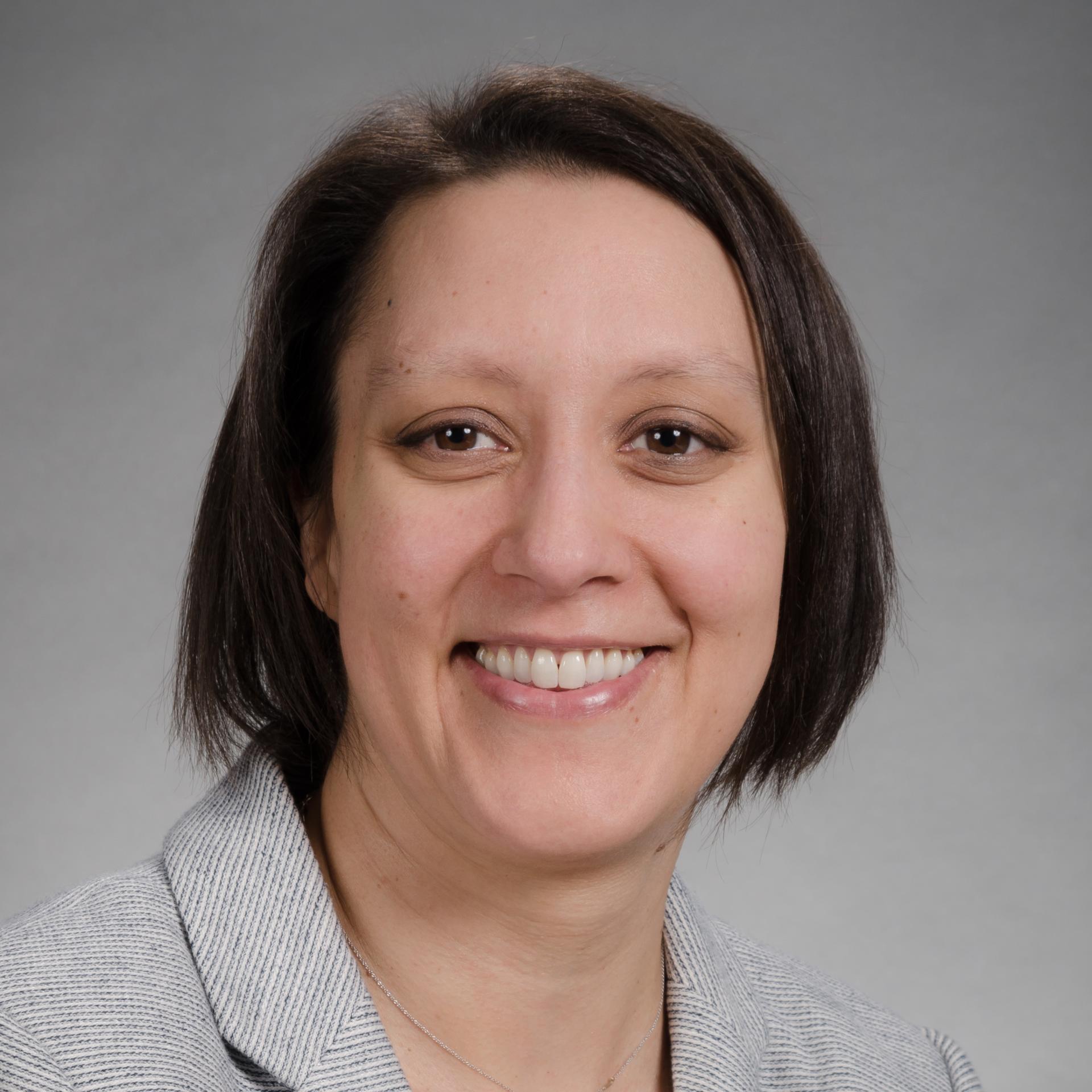
Our Faculty






Life in Seattle
Visit Prospective Residents & Fellows | UW Graduate Medical Education for more information about Seattle and what you can expect from a residency or fellowship at the University of Washington.